|
1
|
- The Body’s Defenses
- Intro 2009: Swine Flu http://news.yahoo.com/s/time/08599189431400 or ..\..\..\..\COURSES\AP
BIO\articles\Diseases and conditions\2009 SWINE FLU Article Mexico.doc
|
|
2
|
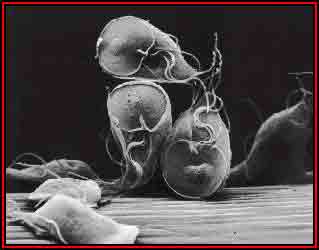
- Pathogen = an organism or virus that causes a disease.
|
|
3
|
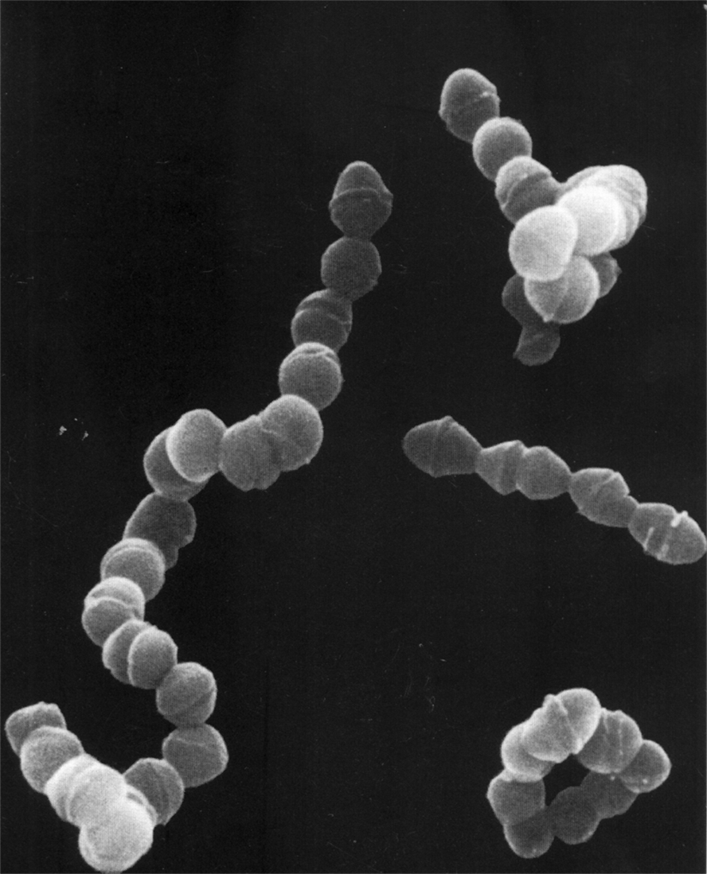
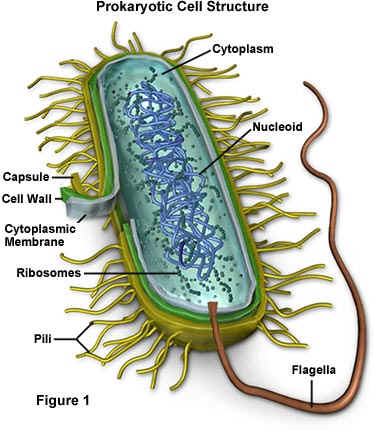
- Bacteria
- Prokaryote CELLS-unicellular
- Living
- Has metabolism
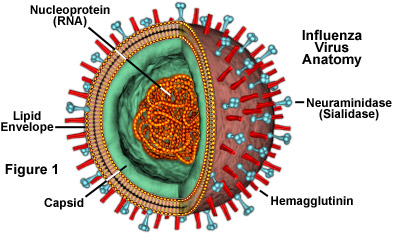
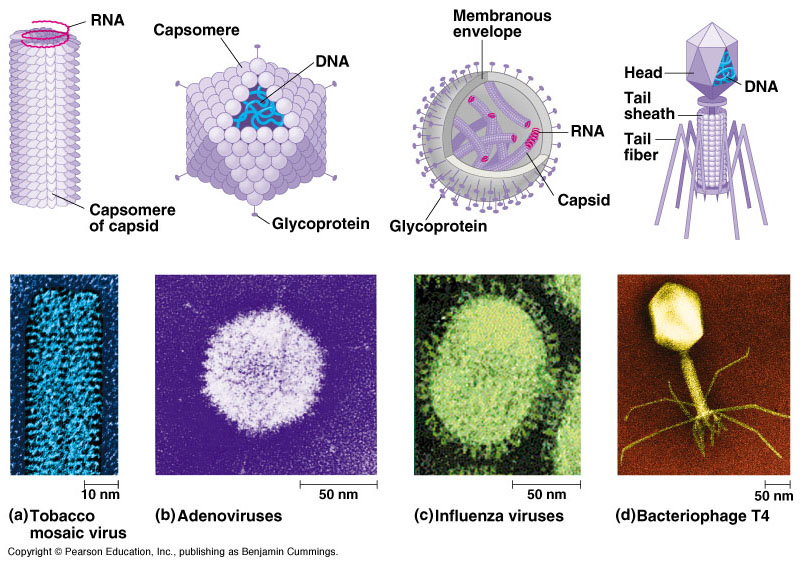
- Viruses
- Not cells
- Not living, can NOT reproduce on their own
- Consist of DNA/RNA and a protein coat
|
|
4
|
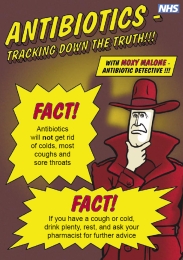
- What do antibiotics fight?
- Antibiotics destroy the cell wall.
- Happens in Bacteria only, NOT Viruses
- Why not viruses?? They do not have a cell wall.
- Some antiviral medications are available, but usually you have to let
the illness pass on its own.
- Your body defends against bacteria and viruses.
- Let’s see how.
|
|
5
|
|
|
6
|
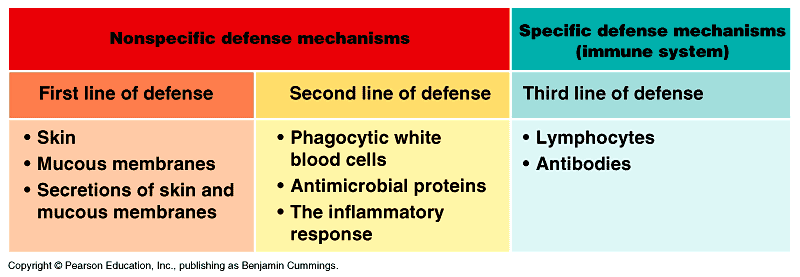
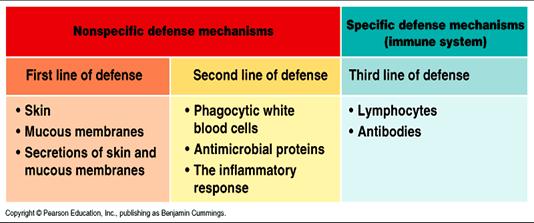
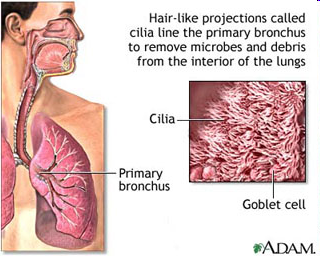
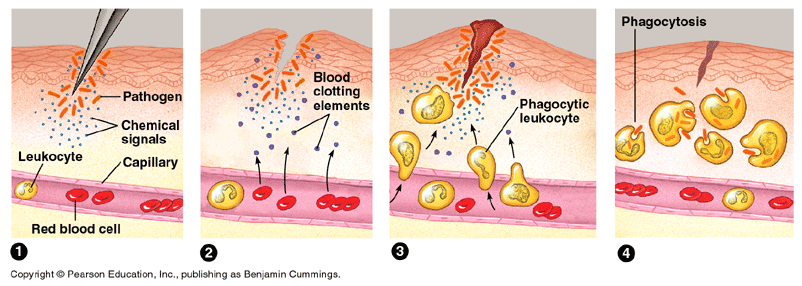
- 1st lines of defense…
- Skin and mucous membranes (tears/ear wax)
- Stomach acidity
|
|
7
|
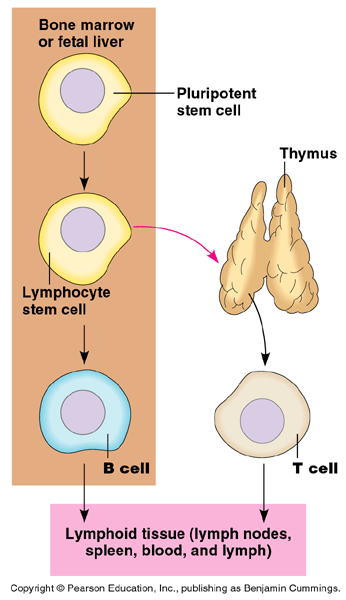
- Lymphocyctes (a type of white blood cells)- White blood cells defend the
body.
- Two types
- B Cells (develop in bone marrow)
- T Cells (develop in thymus)
- Antigen: a foreign molecule that causes a response by lymphocytes
- Where might you find an antigen?
- Antibodies: proteins in body that fight pathogens by binding to
antigens. Very specific.
|
|
8
|
- C:\Documents and Settings\BBAUGHMAN\Desktop\bio powerpoints\Chapter 39
BDOL IC
- Animations: Animation of immune system OK…but not great
|
|
9
|
|
|
10
|
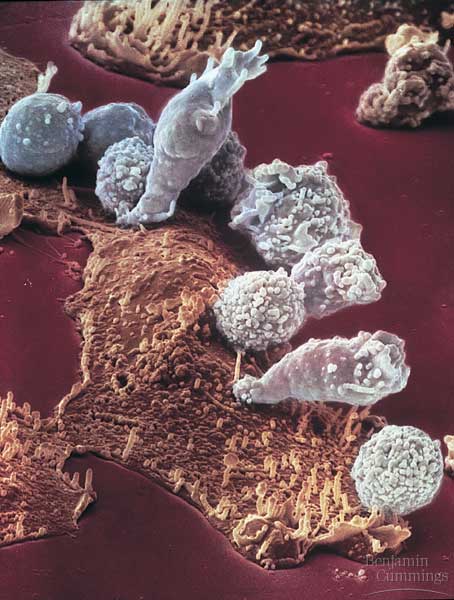
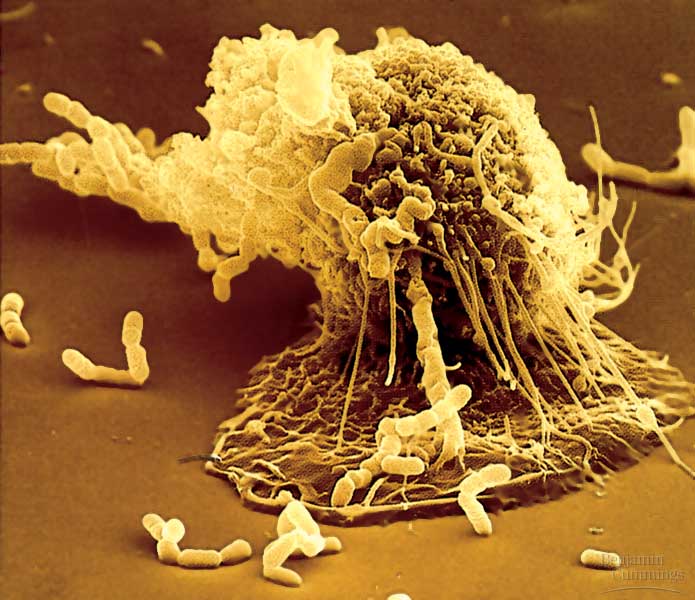
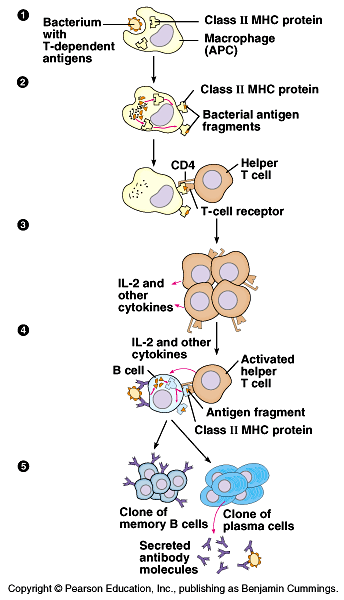
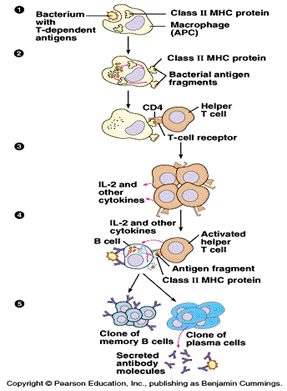
- Phagocytes (Macrophages): Eat
pathogens by endocytosis and present antigens to other white blood
cells.
- B lymphocytes:
- T lymphocytes:
- Helper T cells: help activate B
cells and “killer” T cells
- Killer T cells: destroy infected cells.
- Memory Cells
- B or T cells that “remember” the antigen.
- Why you don’t get sick twice by the same germ
|
|
11
|
- http://highered.mcgraw-hill.com/sites/0072437316/student_view0/chapter48/animations.html
|
|
12
|
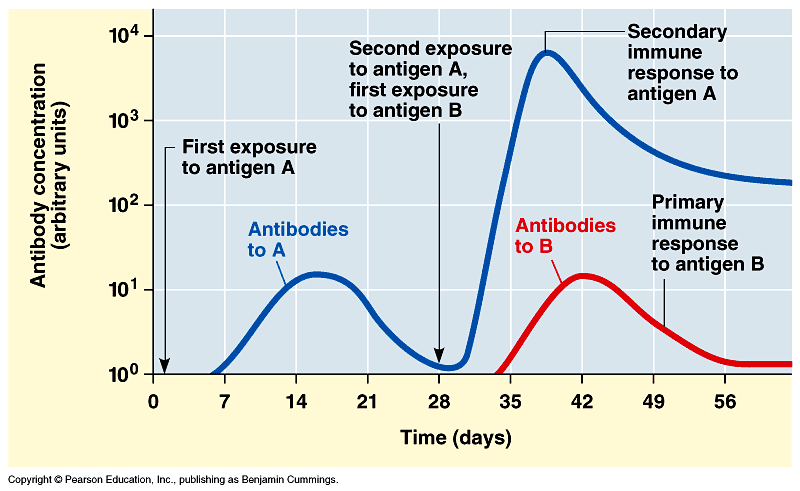
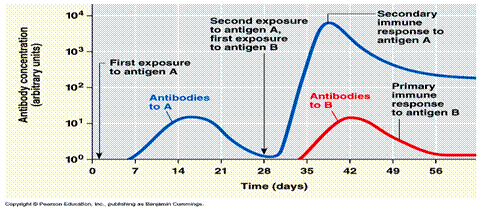
- Primary immune response: Production of lymphocytes and antibodies the
1st time the body is exposed to an antigen
- Secondary immune response: stronger, faster immune response if the
individual is exposed to the same antigen at some later time~ Immunological
memory
|
|
13
|
- How to get immune:
- immunity by recovering from disease
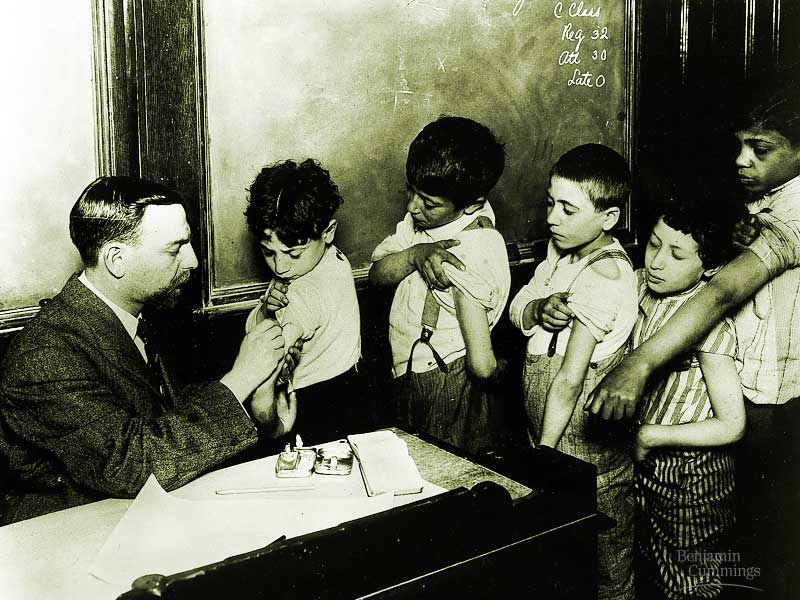
- What is a vaccine?
- A shot given to a patient containing the weakened/dead virus/bacteria
to stimulate an immune response.
- Vaccination: produces a primary response. Produces memory cells for the disease,
so when you come in contact with the disease you do not get it.
|
|
14
|
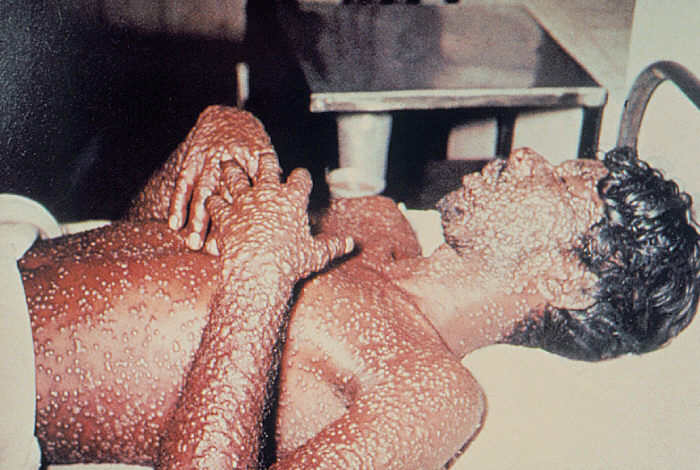
- Discussion: Benefits:
- Epidemic/pandemic/death prevention
- Eradication of fatal/debilitating diseases (ex. smallpox)
- Reduced disability due to diseases (ex. Blindness and deafness in
babies due to rubella infection of their unvaccinated mothers.)
- Vaccines = carefully tested for safety.
- Serious adverse reactions (allergic) are very rare.
- Dangers:
- Some controversial concerns… (discussion)
- “The medical and scientific
communities have carefully and thoroughly reviewed the evidence
concerning the vaccine-autism theory and have found no association
between vaccines and autism.”
- Citation: http://www.cdc.gov/Features/AutismDecision/
|
|
15
|
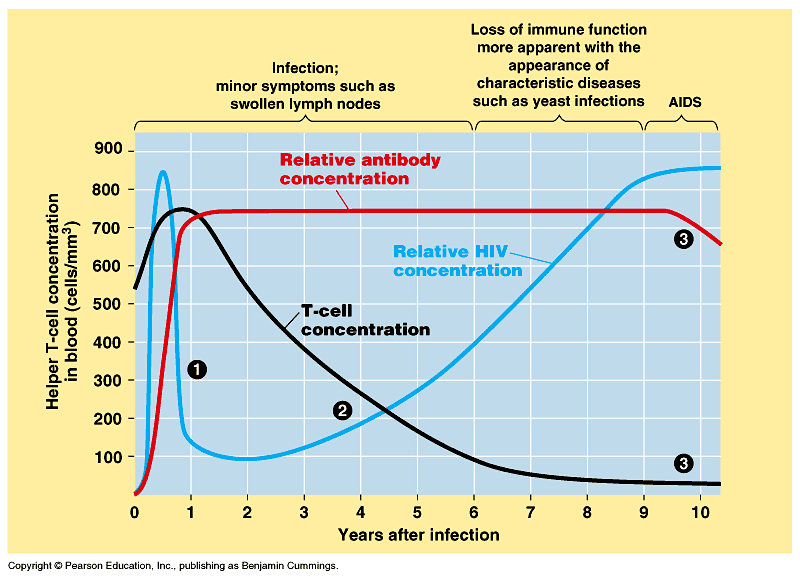
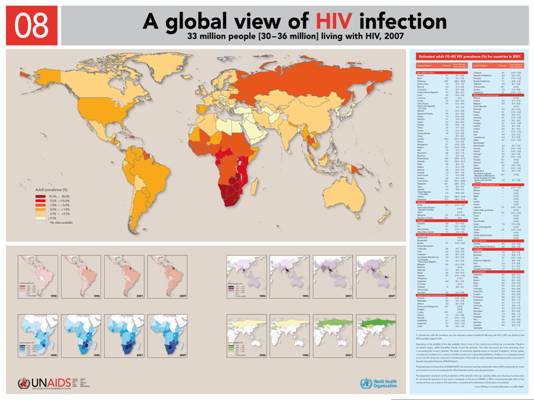
- Caused by HIV (human immunodeficiency virus)
- Infects several types of white blood cells
- Causes a reduction in the # of active lymphocytes and an inability to
produce antibodies.
- Weakens the immune system
- Normally die not from AIDs, but from the flu or common cold.
|
|
16
|
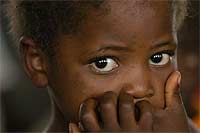
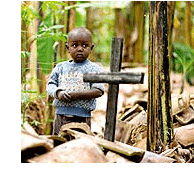
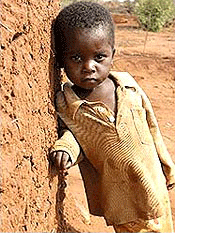
- Discuss cause, transmission, social implications.
- UN Article on AIDS orphans (2004) http://www.unaids.org/bangkok2004/GAR2004_html/GAR2004_05_en.htm
- Same article in word document
|
|
17
|
|

 Notes
Notes