|
1
|
|
|
2
|
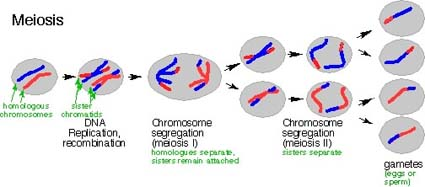
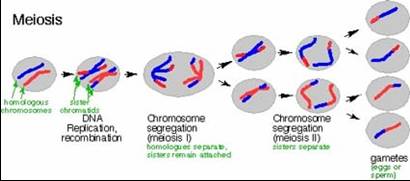
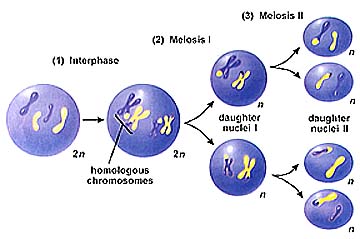
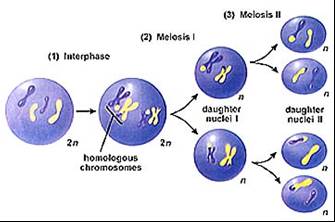
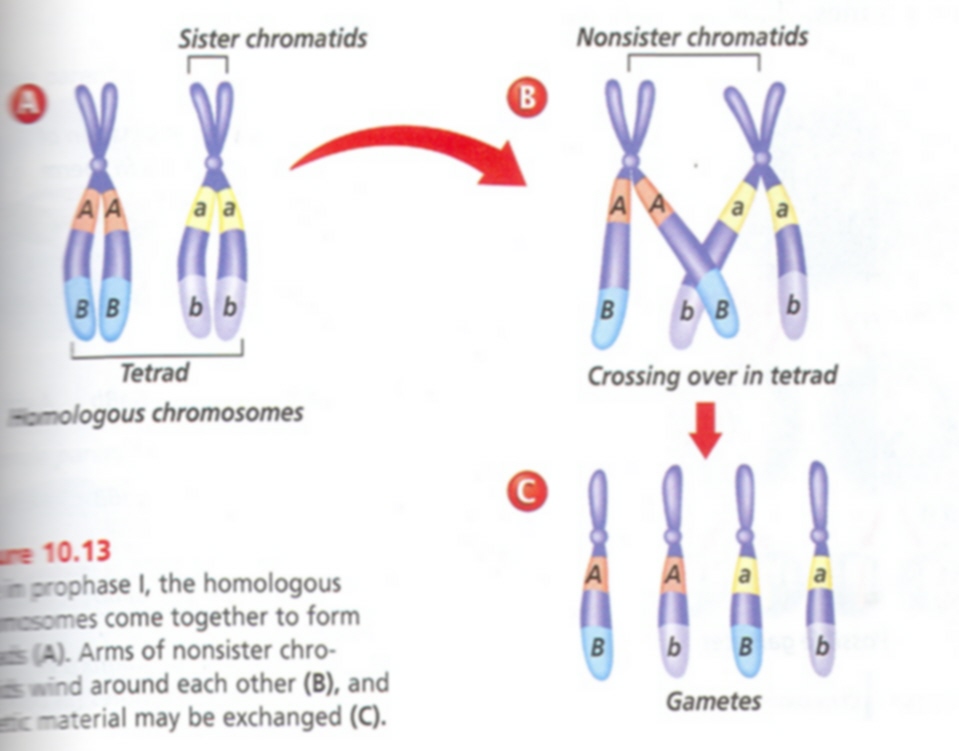
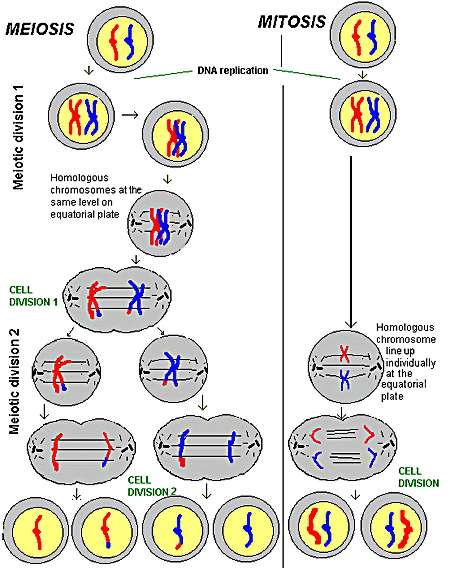
- 1. Starts with homologous chromosomes
- 2. Involves two divisions of the nucleus
- 3. Divisions called: Meiosis I and meiosis II
|
|
3
|
- 4. Each meiosis, I and II, are divided into the four phases of prophase,
metaphase, anaphase and telophase
- 5. Result is that four haploid cells are formed.
|
|
4
|
- Stages in meiosis:
- Meiosis I – prophase I, metaphase I, anaphase I, telophase I
- Meiosis II – prophase II, metaphase II, anaphase II, telophase II
|
|
5
|
|
|
6
|
|
|
7
|
|
|
8
|
|
|
9
|
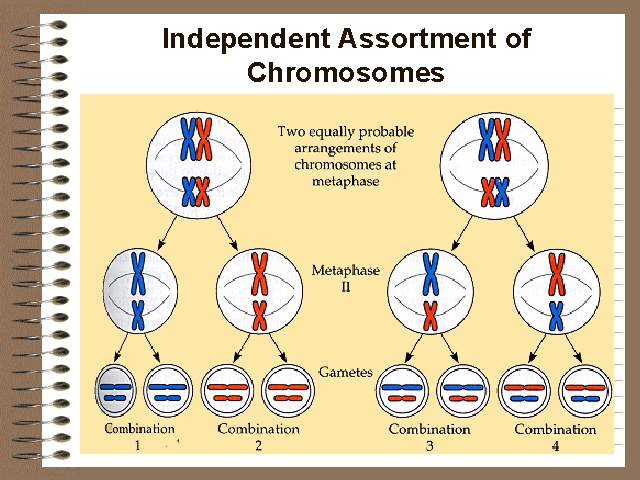
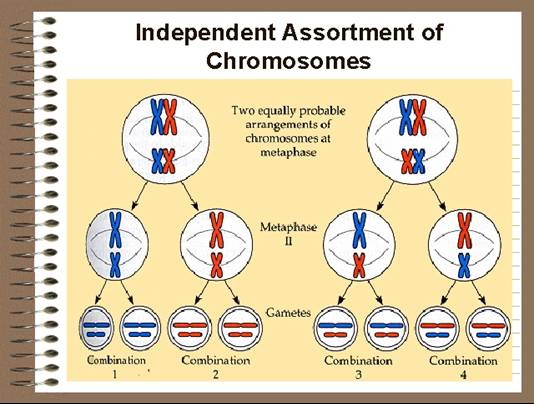
- The random distribution of chromosomes during meiosis results in
millions of different gametes.
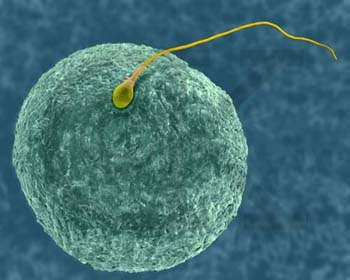
- This independent assortment produces millions upon millions of possible
combinations of gametes for fertilization between sperm and egg.
|
|
10
|
- 1. Twenty-three pairs of chromosomes separate independently.
- 2. Thus, out of these 23 pairs of chromosomes over 8,000,000 different
gametes, with different genetic information, can be formed.
|
|
11
|
|
|
12
|
|
|
13
|
|
|
14
|
|
|
15
|
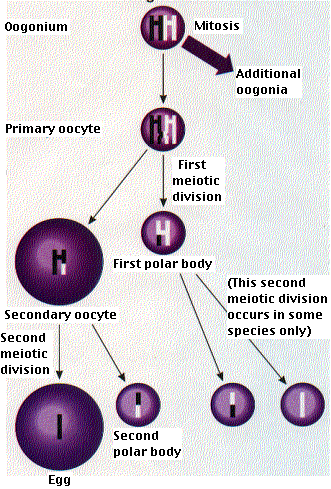
- 1. Formation of the egg is called oogenesis
- à the female
gamete, or egg, is called an ovum.
- 2. Formation of the sperm is called spermatogenesis.
- à the male
gamete is called sperm.
|
|
16
|
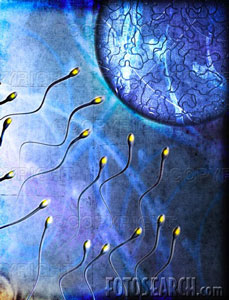
- Spermatogenesis results in the
production of four sperm while,
- oogenesis results in only one
good ovum or egg with the other three being called polar bodies.
|
|
17
|
|
|
18
|
|
|
19
|
|
|
20
|
- 1. Mitosis produces diploid cells
- 2. Meiosis produces haploid cells
- 3. Mitosis produces two cells with the same genetic (DNA) material
- 4. Meiosis produces four cells with different genetic material.
|
|
21
|
|
|
22
|
|

 Notes
Notes