|
1
|
- “You can learn a lot by just watching.”
- —Yogi Berra, former New York Yankees catcher and sage
|
|
2
|
- The difference between indirect and direct evidence
- That eyewitness accounts have limitations
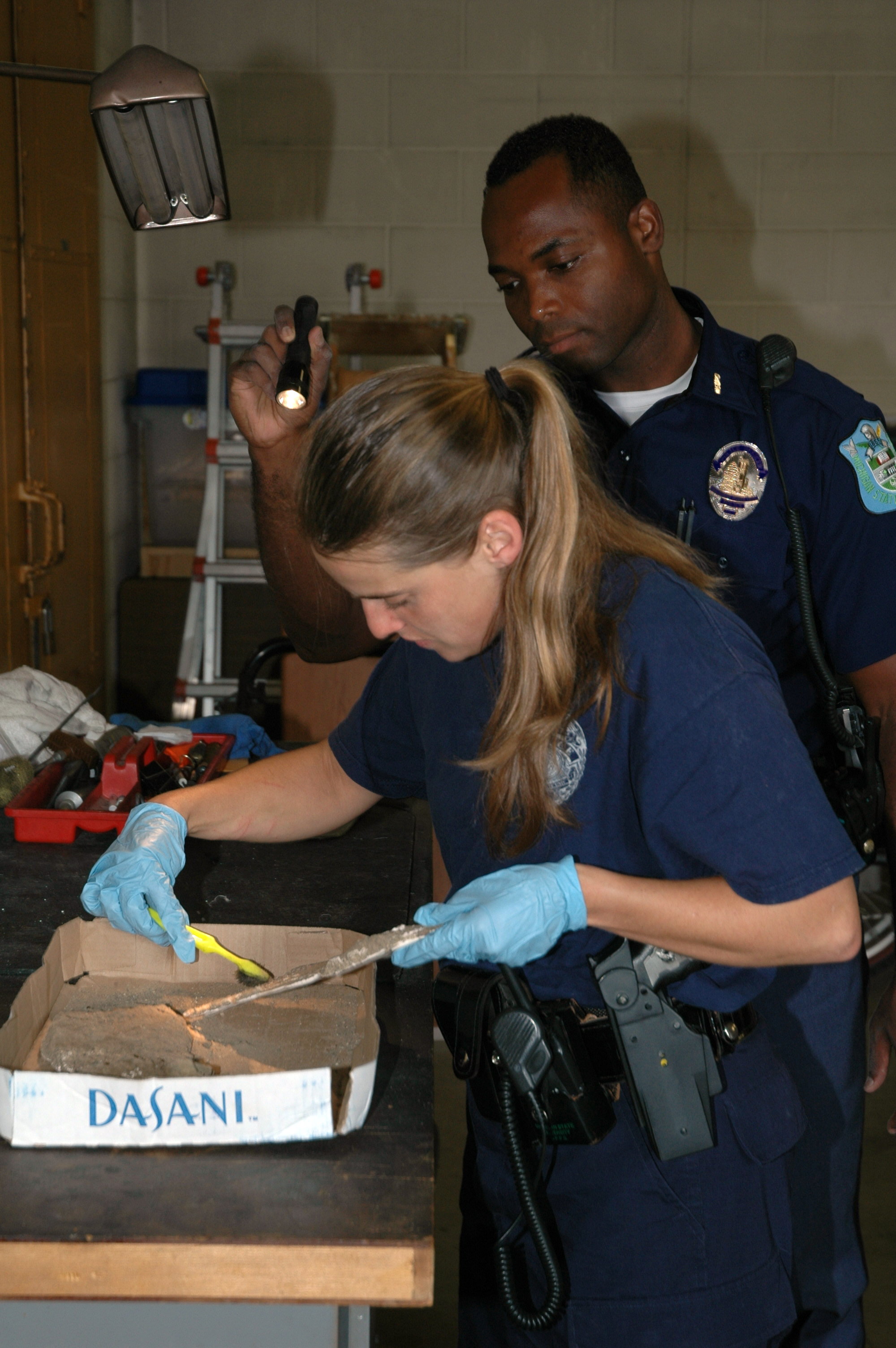
- What is meant by physical evidence and give examples
- What physical evidence can and cannot prove in court
- The significance of individual and class evidence
|
|
3
|
- Two general types:
- Testimonial—a statement made under oath; also known as direct evidence or Prima
Facie evidence
- Physical—any object or material that is relevant in a crime; also known
as indirect evidence. Examples are hair, fiber, fingerprints,
documents, blood, soil, drugs, tool marks, impressions, glass.
|
|
4
|
- Factors:
- Nature of the offense and the situation in which the crime is observed
- Characteristics of the witness
- Manner in which the information is retrieved
- Additional factors:
- Witness’s prior relationship with the accused
- Length of time between the offense and the identification
- Any prior identification or failure to identify the defendant
- Any prior identification of a person other than the defendant by the
eyewitness
|
|
5
|
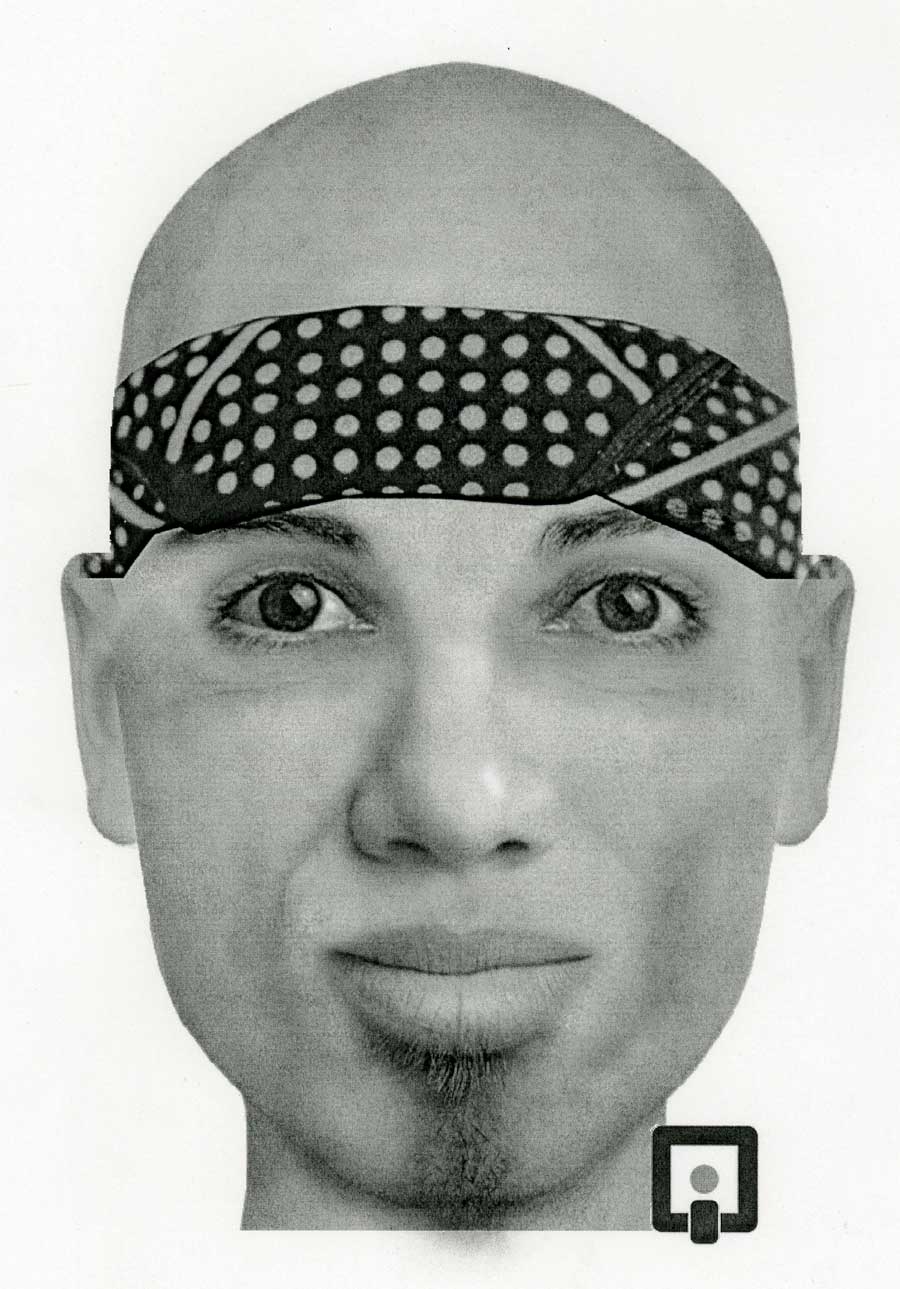
- A police composite may be developed from the witness testimony by a computer
program or forensic artist.
- “Perception is reality.”
- As a result of the influences in eyewitness memory, physical evidence
becomes critical.
|
|
6
|
- Generally more reliable than testimonial
- Can prove that a crime has been committed
- Can corroborate or refute testimony
- Can link a suspect with a victim or with a crime scene
- Can establish the identity of persons associated with a crime
- Can allow reconstruction of events of a crime
|
|
7
|
- Physical Evidence is used to answer questions about:
- what took place
- how the victim was killed
- number of people involved
- sequence of events
- A forensic scientist will compare the questioned or unknown sample with
a sample of known origin.
|
|
8
|
- Transient Evidence—temporary; easily changed or lost; usually observed
by the first officer at the scene
- Pattern Evidence—produced by direct contact between a person and an
object or between two objects
- Conditional Evidence—produced by a specific event or action; important
in crime scene reconstruction and in determining the set of
circumstances or sequence within a particular event
- Transfer Evidence—produced by contact between person(s) or object(s), or
between person(s) and person(s)
- Associative Evidence—items that may associate a victim or suspect with a
scene or each other; ie, personal belongings
- —Lee and Labriola in Famous Cases, 2001
|
|
9
|
- Odor—putrefaction, perfume, gasoline, urine, burning, explosives,
cigarette or cigar smoke
- Temperature—surroundings, car hood, coffee, water in a bathtub, cadaver
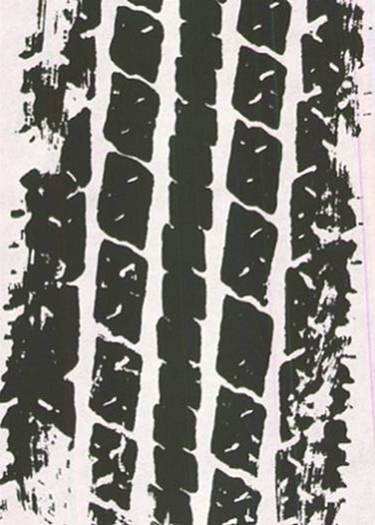
- Imprints and indentations—footprints, teeth marks in perishable foods,
tire marks on certain surfaces
- Markings
|
|
10
|
- Pattern Evidence—most are in the form of imprints, indentations,
striations, markings, fractures or deposits.
- Clothing or article distribution
- Gun powder residue
- Material damage
- Body position
- Tool marks
- Modus operandi
|
|
11
|
- Light—headlight, lighting conditions
- Smoke—color, direction of travel, density, odor
- Fire—color and direction of the flames, speed of spread, temperature and
condition of fire
- Location—of injuries or wounds, of bloodstains, of the victim’s vehicle,
of weapons or cartridge cases, of broken glass
- Vehicles—doors locked or unlocked, windows opened or closed, radio off
or on (station), odometer mileage
- Body—position, types of wounds; rigor, livor and algor mortis
- Scene—condition of furniture, doors and windows, any disturbance or
signs of a struggle
|
|
12
|
- Biological—blood, semen, saliva, sweat, tears, hair, bone, tissues,
urine, feces, animal material, insects, bacterial, fungal, botanical
- Chemical—fibers, glass, soil, gunpowder, metal, mineral, narcotics,
drugs, paper, ink, cosmetics, paint, plastic, lubricants, fertilizer
- Physical—fingerprints, footprints, shoe prints, handwriting, firearms,
tire marks, tool marks, typewriting
- Miscellaneous—laundry marks, voice analysis, polygraph, photography,
stress evaluation, psycholinguistic analysis, vehicle identification
|
|
13
|
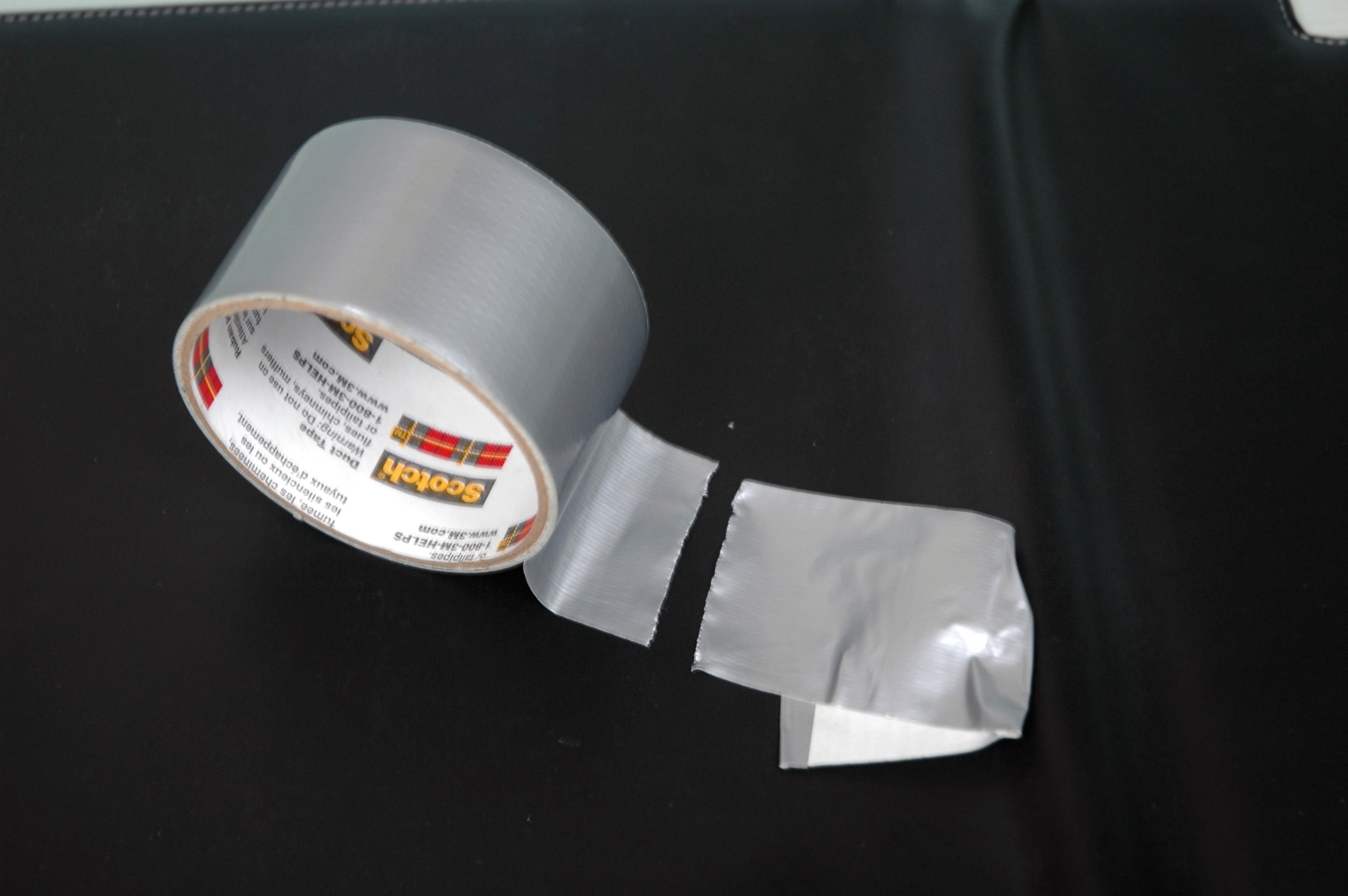
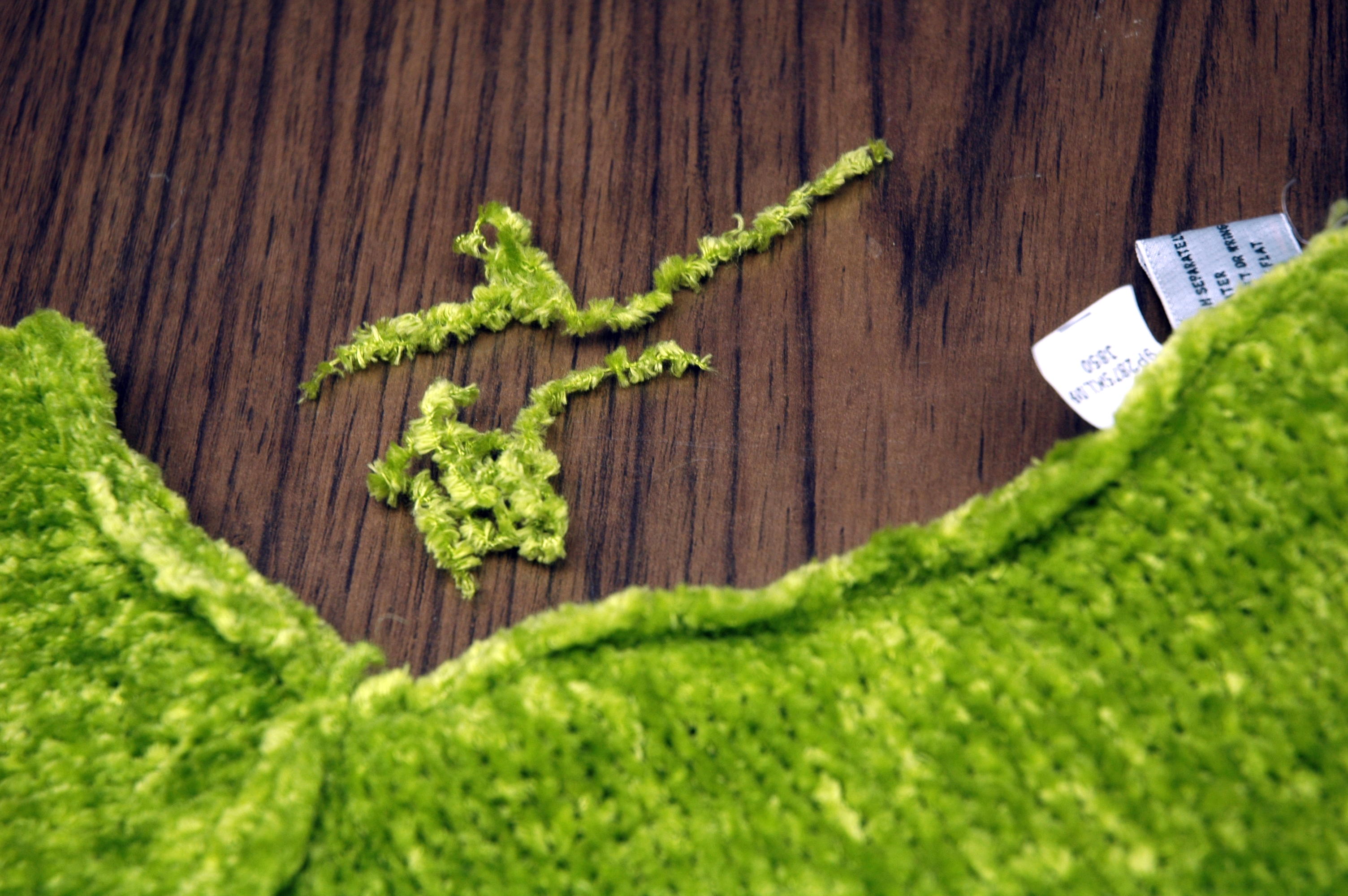
- Class—common to a group of objects or persons
- Individual—can be identified with a particular person or a single source
|
|
14
|
|
|
15
|
- Include some or all of these seven major activities
- 1. Recognition—ability to distinguish important evidence from unrelated
material
- Pattern recognition
- Physical property observation
- Information analysis
- Field testing
- 2. Preservation—collection and
proper preservation of evidence
|
|
16
|
- 3. Identification—use of
scientific testing
- Physical properties
- Chemical properties
- Morphological (structural) properties
- Biological properties
- Immunological properties
- 4. Comparison—class
characteristics are measured against those of known standards or
controls; if all measurements are
equal, then the two samples may be considered to have come from the same
source or origin.
|
|
17
|
- 5. Individualization—demonstrating
that the sample is unique, even among members of the same class
- 6. Interpretation—gives meaning
to all the information
- 7. Reconstruction—reconstructs
the events of the case
- Inductive and deductive logic
- Statistical data
- Pattern analysis
- Results of laboratory analysis
- —Lee, Dr. Henry. Famous Crimes,
2001
|
|
18
|
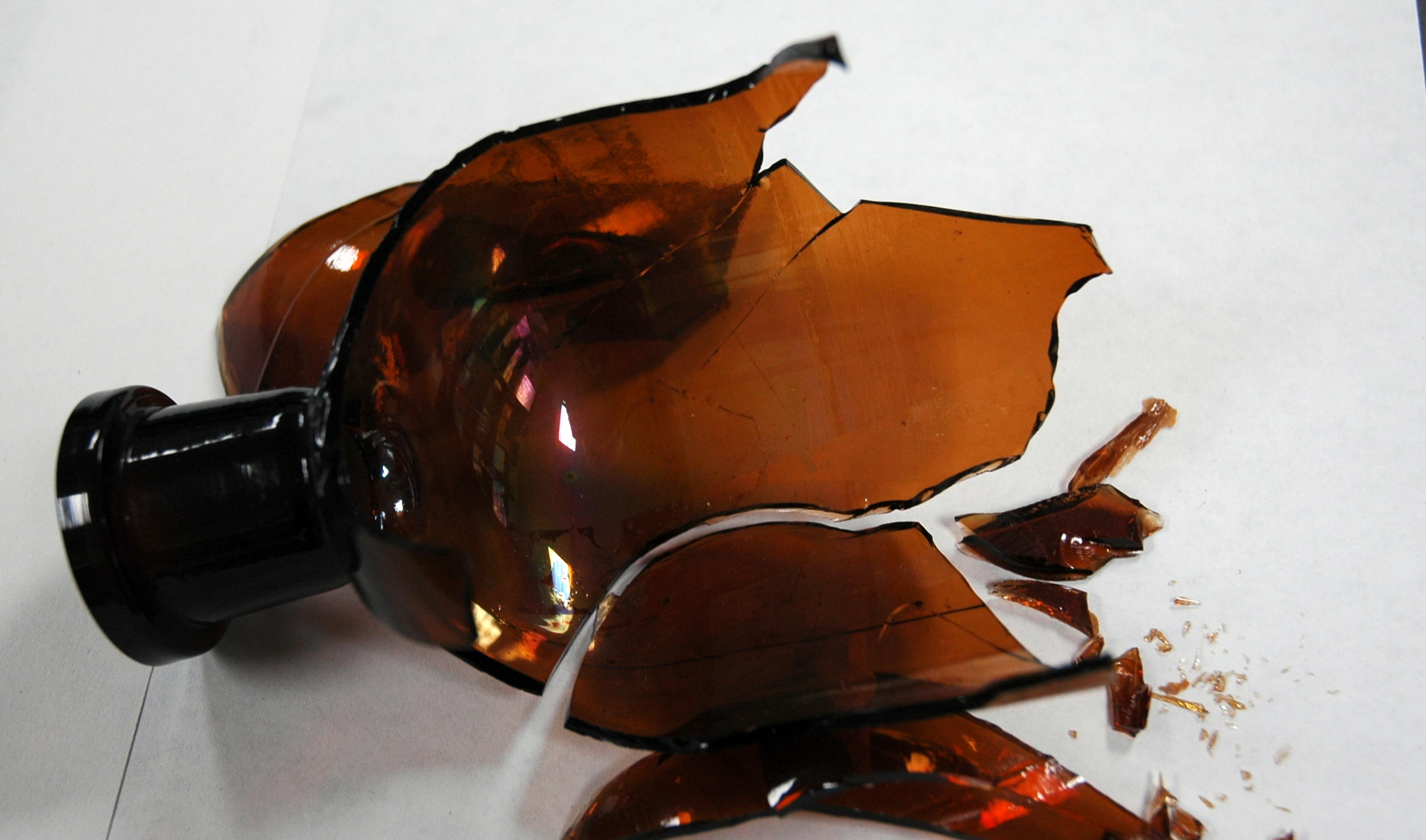
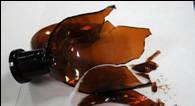
- The large piece of glass fits exactly to the bottle; it is individual
evidence.
|
|
19
|
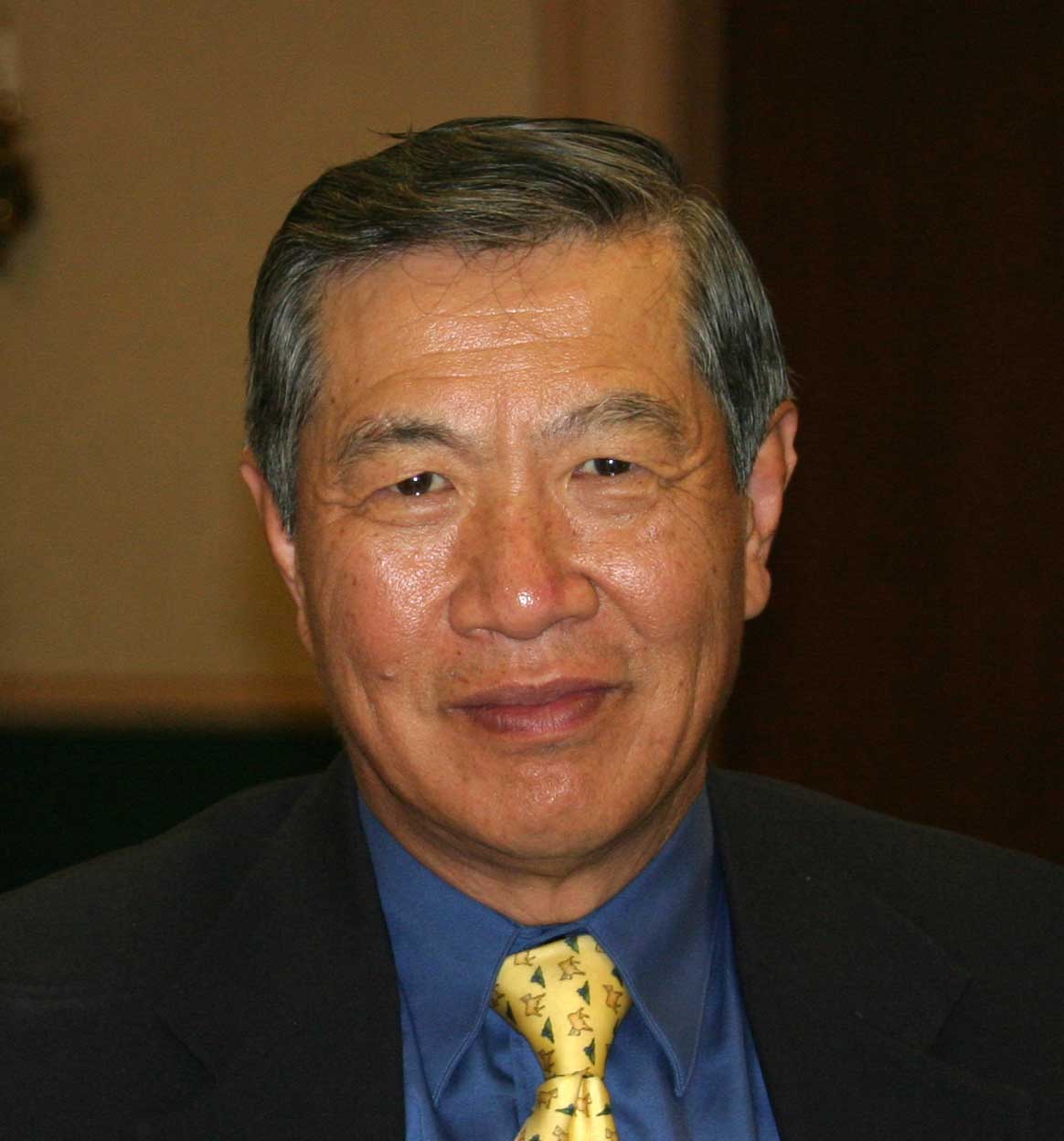
- Dr. Henry Lee—Chief Emeritus for Scientific Services and the former
Commissioner of Public Safety for the state of Connecticut. He served as that state’s Chief
Criminality from 1979 to 2000.
Lee was the driving force in establishing the modern forensic lab
in Connecticut. He has worked
with many high profile cases including O.J. Simpson, Jon Benet Ramsey,
and the “wood chipper” case. He
is also seen on many of the true crime shows, including his own, “Trace
Evidence: The Case Files of Dr. Henry Lee”. Learn more at his website:
- www.drhenrylee.com/review.shtml
|
|
20
|
- Read a case investigated by the FBI.
Observe the various units of their lab and read the section: “How
They Do That?”.
- www.fbi.gov/kids/6th12th/investigates/investigates.htm
|

 Notes
Notes