|
1
|
- “There is a brief but very informative biography of an individual
contained within the skeleton, if you know how to read it…”
- —Clyde Snow, Forensic
Anthropologist
|
|
2
|
|
|
3
|
|
|
4
|
- Determines the time of death. This can be done most accurately if the
body is found within the first 24 hours of death
- Uses certain indicators such as algor, livor and rigor mortis.
|
|
5
|
|
|
6
|
- Livor mortis is the settling of blood, resulting in a reddish or
purplish color pattern.
- Lividity can indicate the position of the body after death. When lividity becomes fixed, then the
distribution of the pattern will not change even if the body’s position
is altered.
- Lividity usually becomes fixed between 10 and 15 hours after death.
|
|
7
|
- Algor mortis is the cooling rate of the body after death. At a crime
scene, the body temperature is obtained through:
- Rectal temperature
- Liver temperature
- Glaister equation:
- 98.4°F - internal
temperature/1.5 = hours elapsed since death
- Generally the body cools 1 to 12 degrees Fahrenheit per hour until it
reaches the surrounding temperature.
|
|
8
|
- Temperature of the surrounding environment
- Type of clothing on the body
- Wetness of the clothing
- Air movement
- Layers of clothing
- Size of the individual
|
|
9
|
|
|
10
|
|
|
11
|
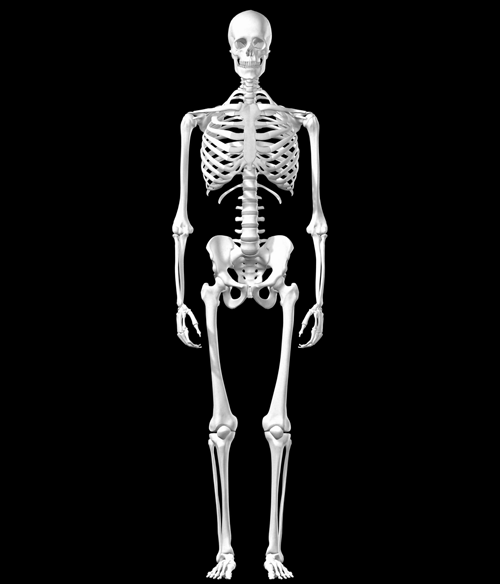
- Study of bones
- 206 bones in an adult human
- Function of bones:
- Provides structure and rigidity
- Protects soft tissue and organs
- Serves as an attachment for muscles
- Produces blood cells
- Serves as a storage area for minerals
- Can detoxify the body by removing heavy metals and other foreign
elements from the blood
|
|
12
|
- Most accurate estimations from:
- Teeth
- Epiphyses or growth plates
- Pubic symphysis
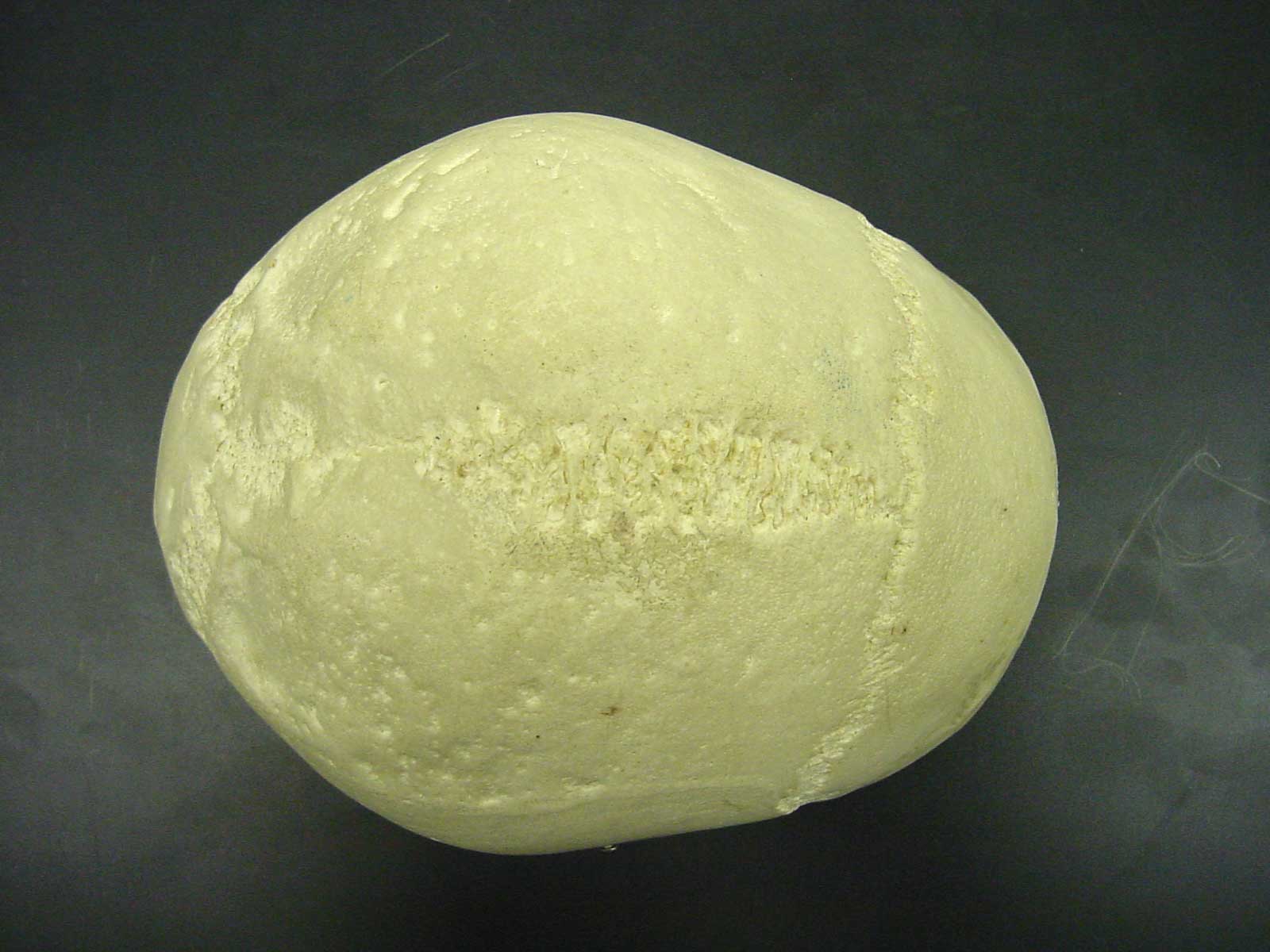
- Cranial sutures: the three major cranial sutures appear as distinct
lines in youth and gradually close from the inside out.
- Investigators always use an age range because of the variation in
people and how they age.The investigator does not want to eliminate any
possibilities for identification.
|
|
13
|
- Sagittal suture completely closed
- Males—26 or older
- Female—29 or older
- Sagittal suture is complete open
- Male—less than 32
- Female—less than 35
- Complete closure of all three major sutures
- Male—over 35
- Female—over 50
|
|
14
|
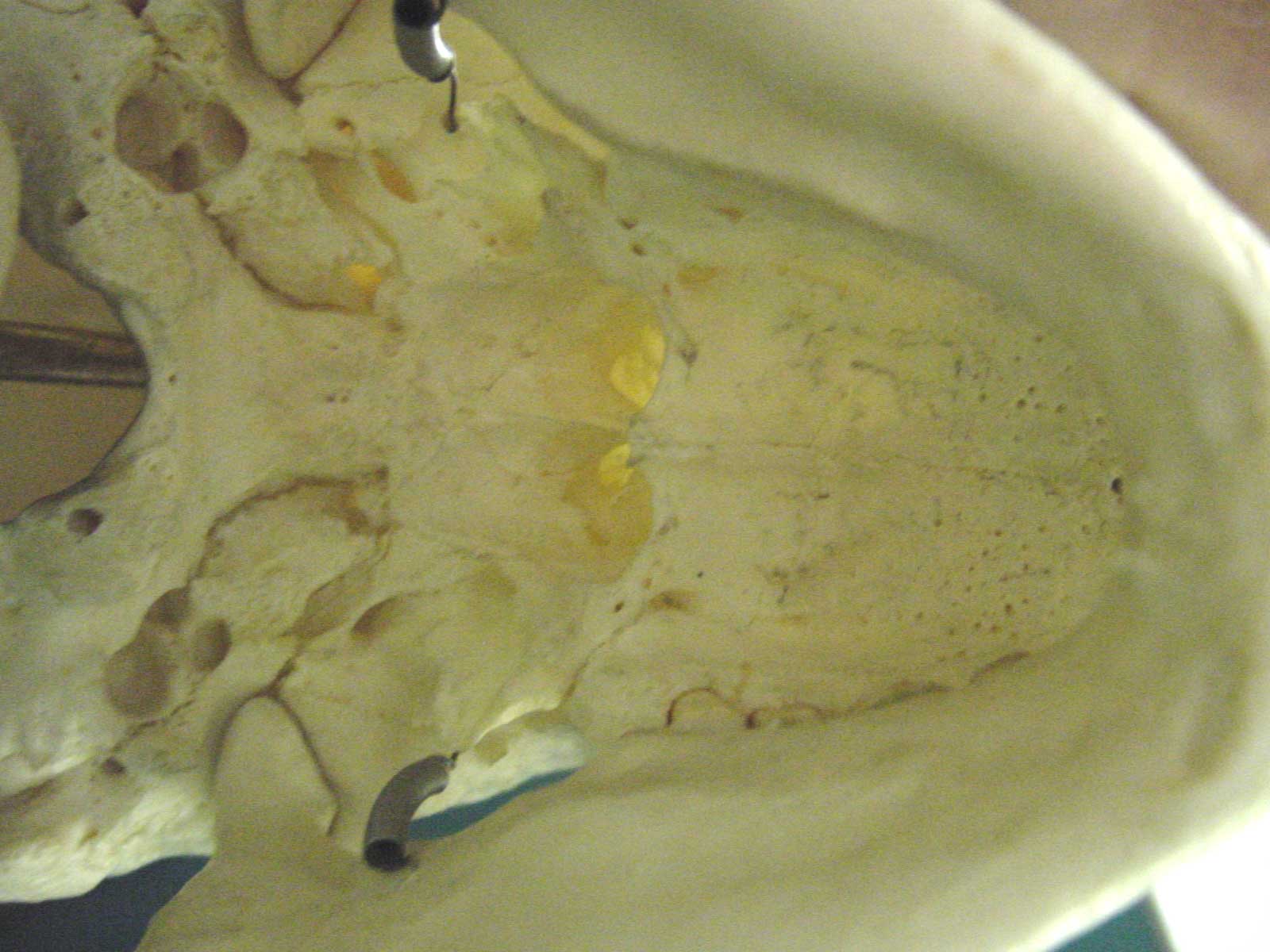
- Basilar Suture
- Technically known as the synchondrosis spheno-occipitalis, closes in
females as young as 14 and in males as young as 16. If the suture is
open, the individual is generally considered 18 or younger.
|
|
15
|
|
|
16
|
|
|
17
|
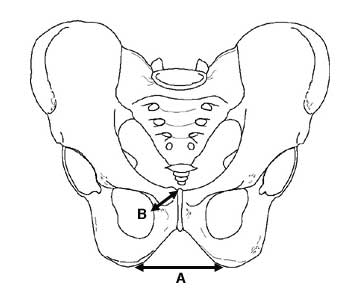
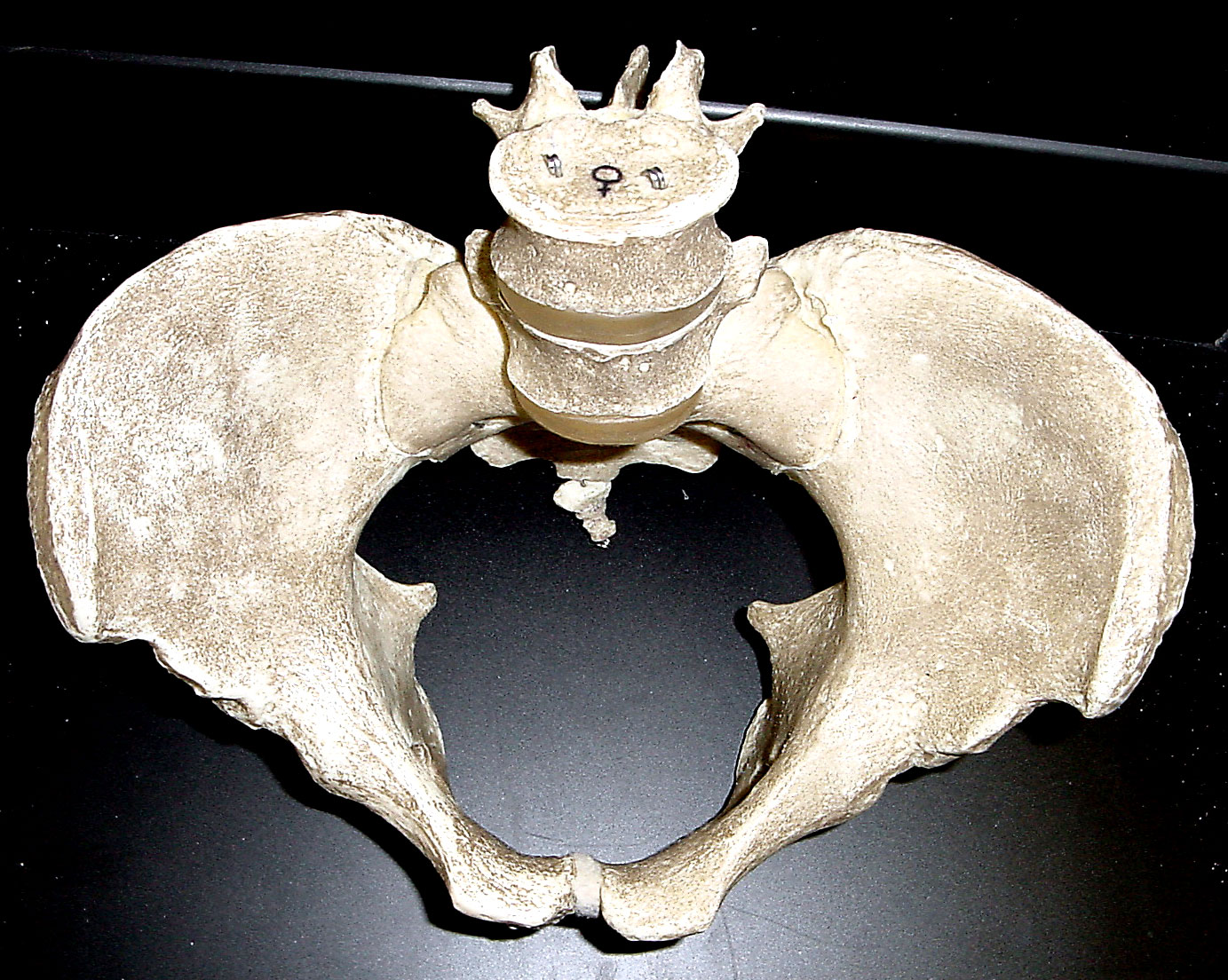
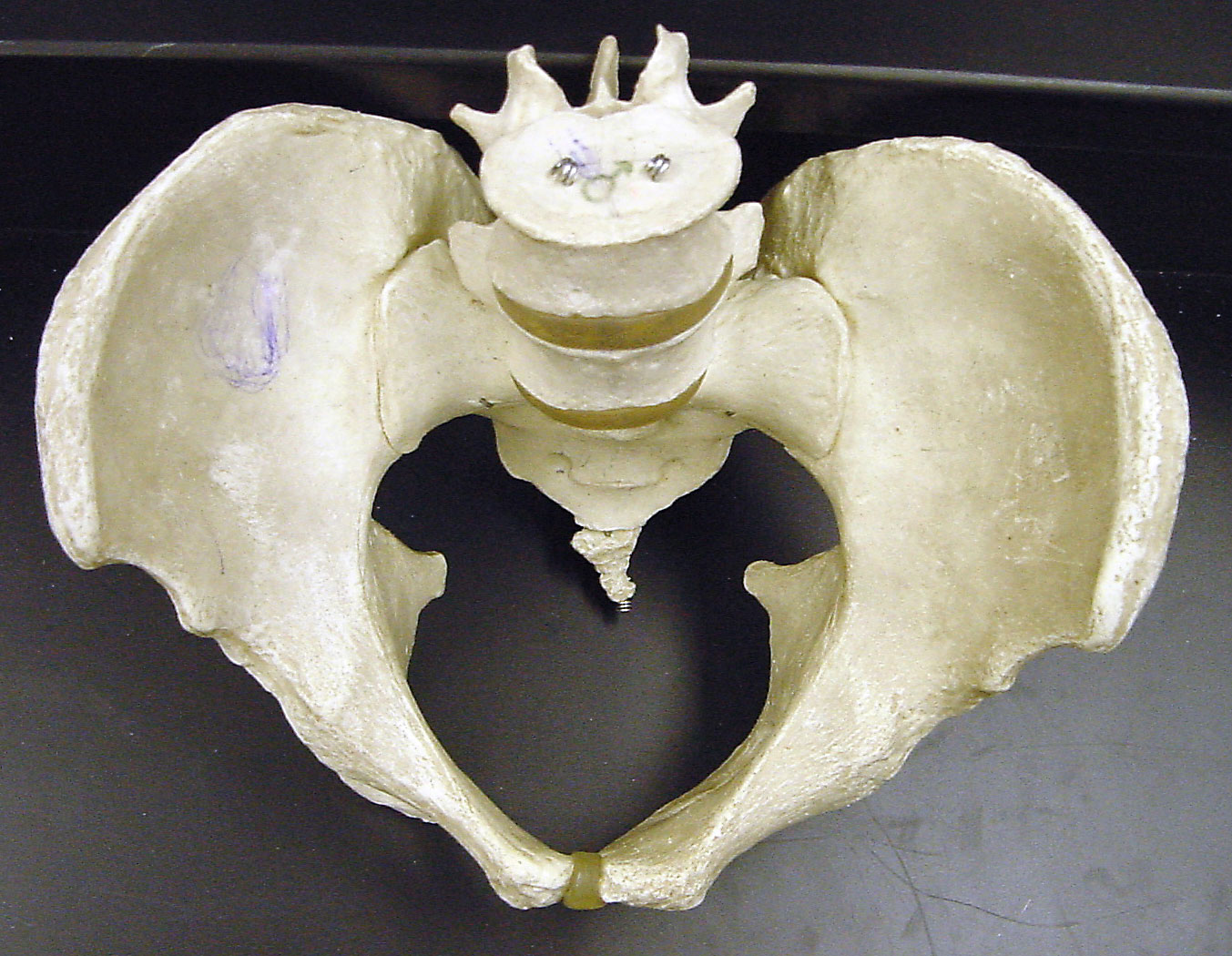
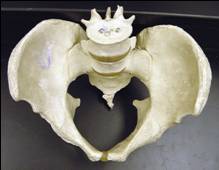
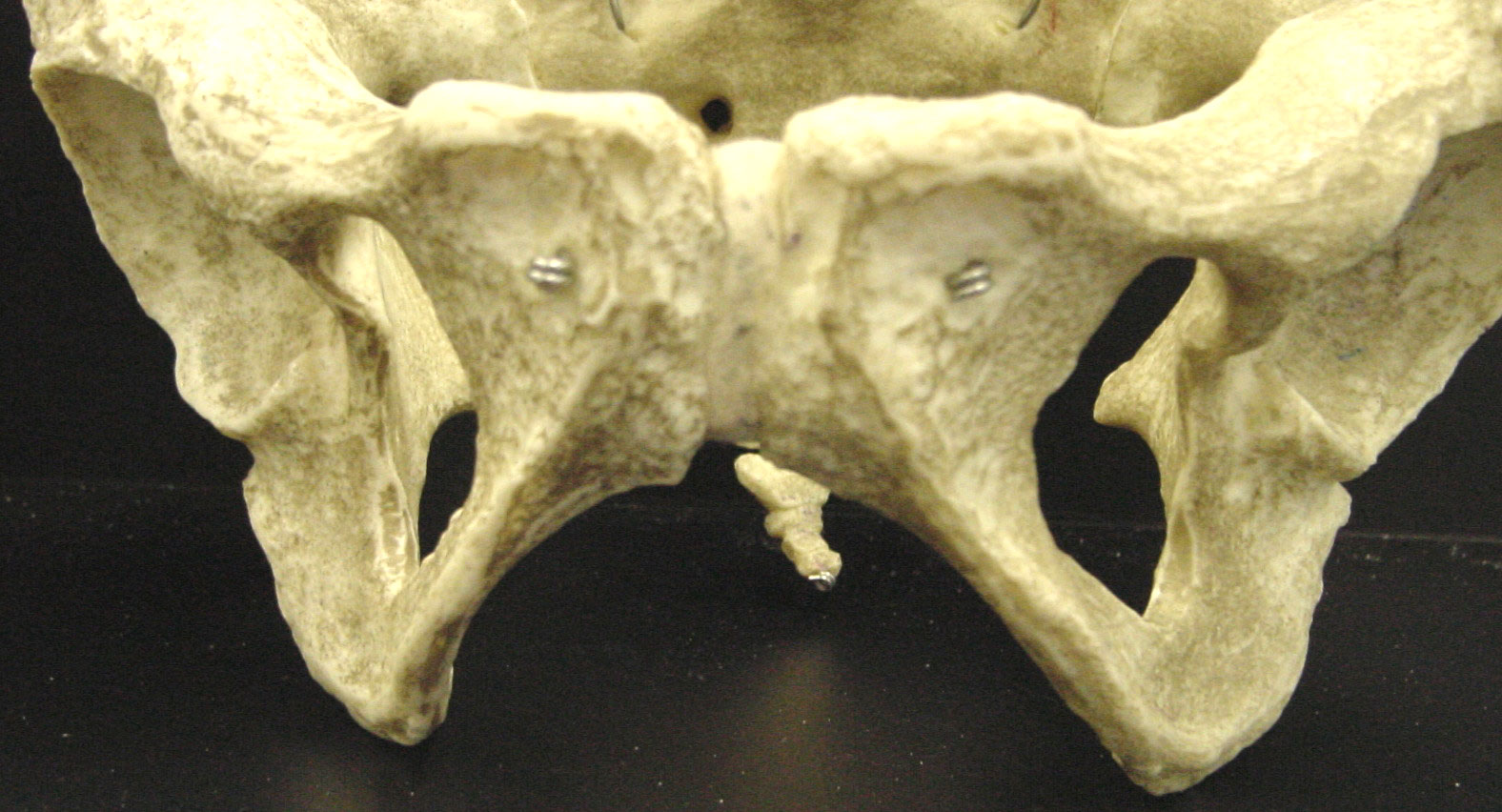
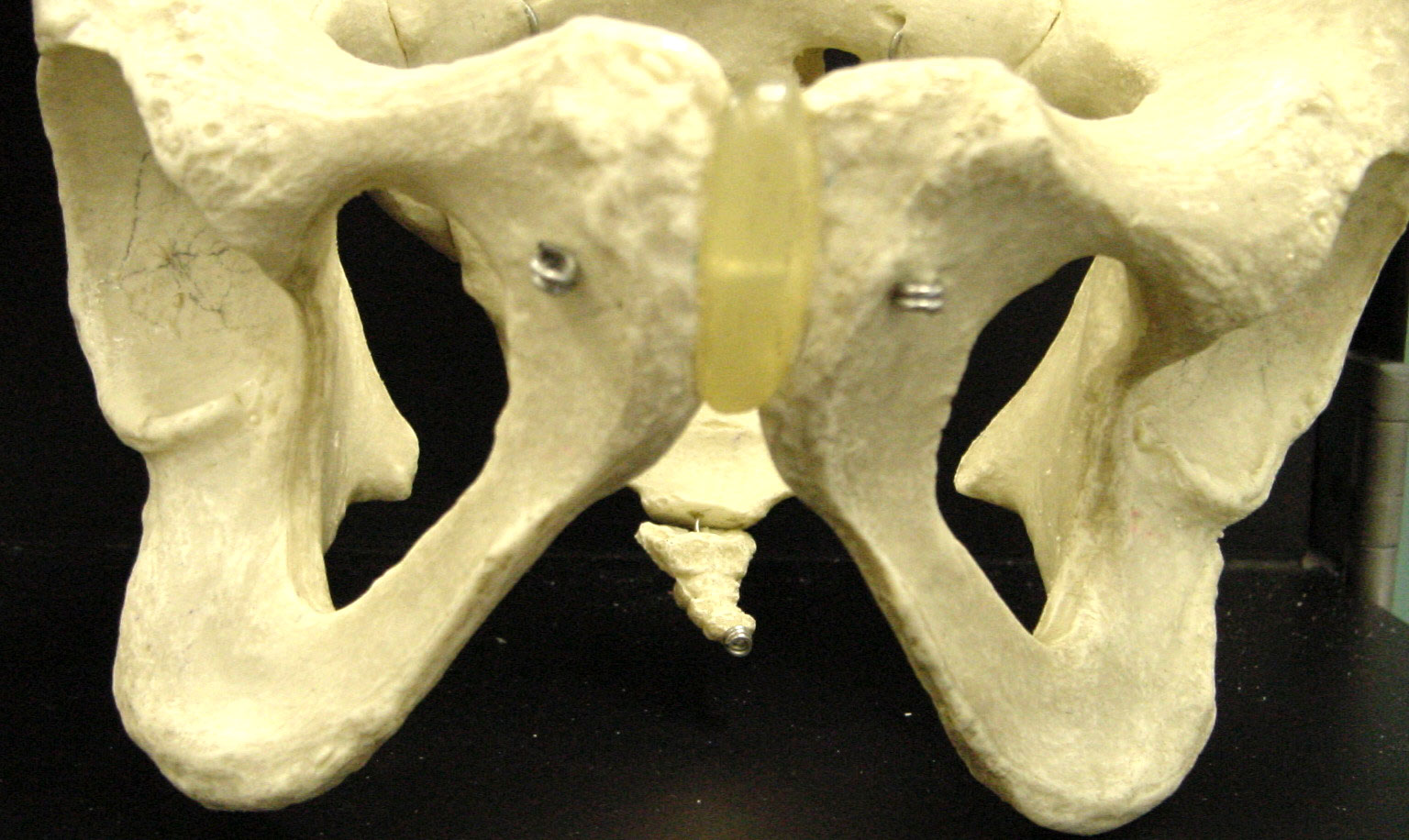
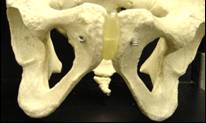
- The pelvis of the female is wider. Males have a narrow subpubic angle (A)
and a narrow pubic body (B).
|
|
18
|
|
|
19
|
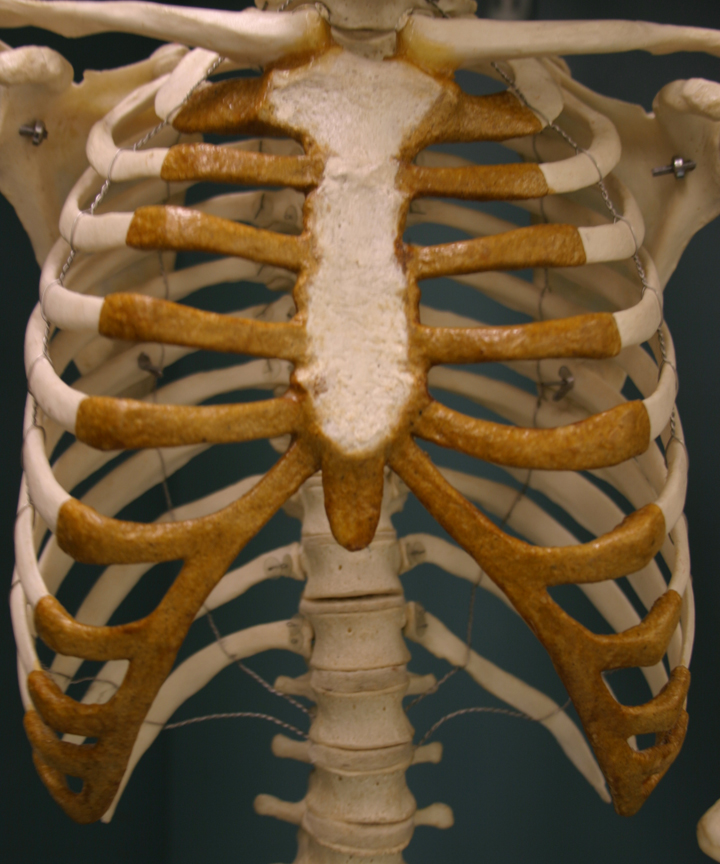
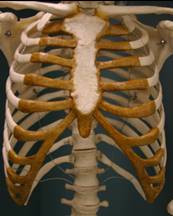
- The ribcage and shoulders of males are generally wider and larger than
that of females. In addition, about one person in twenty has an extra
rib. This is more common in males than in females.
|
|
20
|
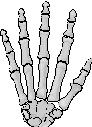
- In males the index finger is sometimes shorter than the third finger.
In females, the first finger is sometimes longer than the third finger.
This is not often used as an indicator of gender as there are many
exceptions.
|
|
21
|
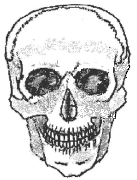
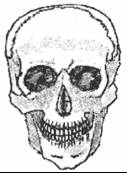
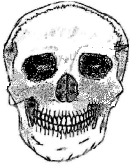
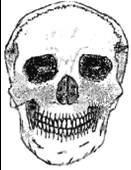
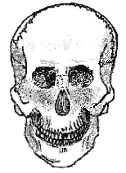
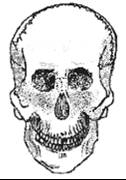
- Race is difficult to determine from most skeletal remains, especially
since pure races are becoming uncommon. An experienced forensic
anthropologist can generally place skulls into one of three groups:
- Caucasian—European, Middle Eastern, and Indian descent
- Negroid—African, Aborigine, and Melanesian descent
- Mongoloid—Asian, Native American and Polynesian descent
|
|
22
|
- Caucasoids—have a long, narrow nasal aperture, a triangular palate, oval
orbits, narrow zygomatic arches and narrow mandibles.
- Negroids—have a wide nasal aperture, a rectangular palate, square
orbits, and more pronounced zygomatic arches. The long bones are longer,
have less curvature and greater density.
- Mongoloids—have a more rounded nasal aperture, a parabolic palate,
rounded orbits, wide zygomatic arches and more pointed mandibles.
|
|
23
|
|
|
24
|
- The height of a person can be calculated by using the length of certain
long bones, including the femur, tibia, humerus, and radius. Below are
the equations to determine average measurements for both male and
female. (All measurements are in centimeters)
|
|
25
|
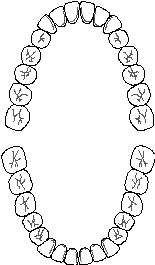
- The identity of an individual can be determined by comparing a person’s
teeth to their dental records. Unusual features including the number and
types of teeth and fillings, the spacing of the teeth, and/or special
dental work (bridges, false teeth, root canals) help to make a positive
identification.
|
|
26
|
- Teeth are often used for body identification because:
- They are the hardest substances in the body
- They are unique to the individual
- X-rays are a good record of teeth
|
|
27
|
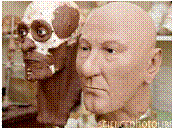
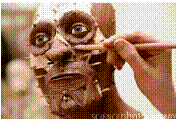
- After determining the sex, age, and race of an individual, facial
features can be built upon a skull to assist in identification. Erasers
are used to make tissue depths at various points on the skull. Clay is
used to build around these
markers and facial features are molded.
|
|
28
|
- With a skull:
- Establish age, sex and race
- Plot landmarks for tissue thickness
- Plot origin and insertion points for muscles
- Plot landmarks for facial features
- Select a dataset and mount markers for tissue thickness
- Mount the eyes
- Model muscles on skull
- Add fatty tissue around eyes and lacrimal glands
- Add eyelids
- Add the nose
- Add the parotid gland
- Add the ears
- Cover all with layers of skin
- Detail the face
|
|
29
|
- John List killed his entire family, moved to a new town and assumed a
new identity. Seventeen years later, Frank Bender reconstructed what he
believed List would look like. It
was shown on America’s Most Wanted, and he was turned in by the viewers
almost immediately. . . looking very much like the reconstruction.
- Check out more about this story on CourtTV’s crime library:
- www.crimelibrary.com/notorious_murders/family/list/1.html
|
|
30
|
- Bill Bass is a forensic anthropologist who has assisted law enforcement
with hundreds of cases. He established the world’s first and only
laboratory devoted to the study of human decomposition at the University
of Tennessee’s Anthropology Research Facility.
- It is known as “the body farm.”
|
|
31
|
- The nickname of a two and a half acre research facility in Tennessee
developed in 1980 by Bill Bass where bodies are placed in various
conditions and allowed to decompose. Its main purpose is to observe and
understand the processes and timetable of postmortem decay. Over the
years it has helped to improve the ability to determine "time since
death" in murder cases.
- Hic locus est ubi mortui viveuntes docent.
- This is the place where the dead teach the living.
|
|
32
|
|
|
33
|
|
|
34
|
|
|
35
|
|

 Notes
Notes