|
1
|
- Warning!
Lots of math
(not tough math, but lots of it)
|
|
2
|
- Remember there are qualitative and quantitative observations
- This chapter deals with the quantitative!
- called measurements
|
|
3
|
- these measurements are not just numbers
- they have units
- as in
5 millimeters,
75 people,
16 mph, etc.
- but first…
|
|
4
|
- Some numbers are just too darn big or too small to deal with reasonably
- Scientific Notation is a method for making very large or very small
numbers more compact and easier to write.
- as in: 64,400,000,000 can be written 6.44 x 10¹⁰
- it’s easy! :)
|
|
5
|
- Description: scientific notation must be written as the product of a number
between 1 and 10 and the appropriate power of 10
- just count how many times you have to move the decimal point to get a
number between 1 and 10
- if the number is getting
smaller the exponent will
compensate by getting
bigger
and vice versa
|
|
6
|
- 238,000
- 1,500,000
- 0.00043
- 0.135
- 357
|
|
7
|
- go into a restaurant, sit down, just tell the waitress “two,” and see
what you get
- Units are used everyday to give meaning to numbers
- people have used them since, like, forever…
|
|
8
|
- the English system is used in the US; the metric system is used everywhere
else
- scientists everywhere use metric and standardized it into the International
System (SI)
|
|
9
|
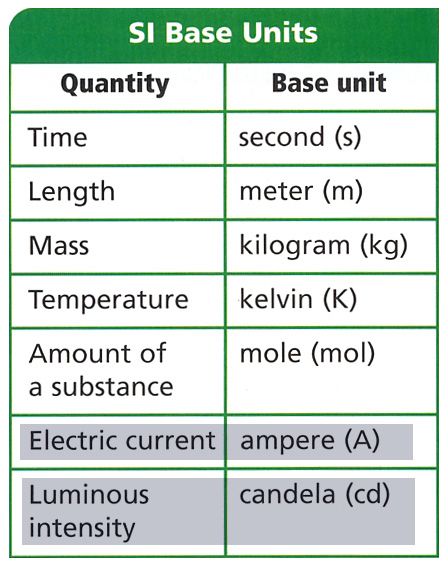
- these are the basic units of SI
- know them,
love them,
marry them
|
|
10
|
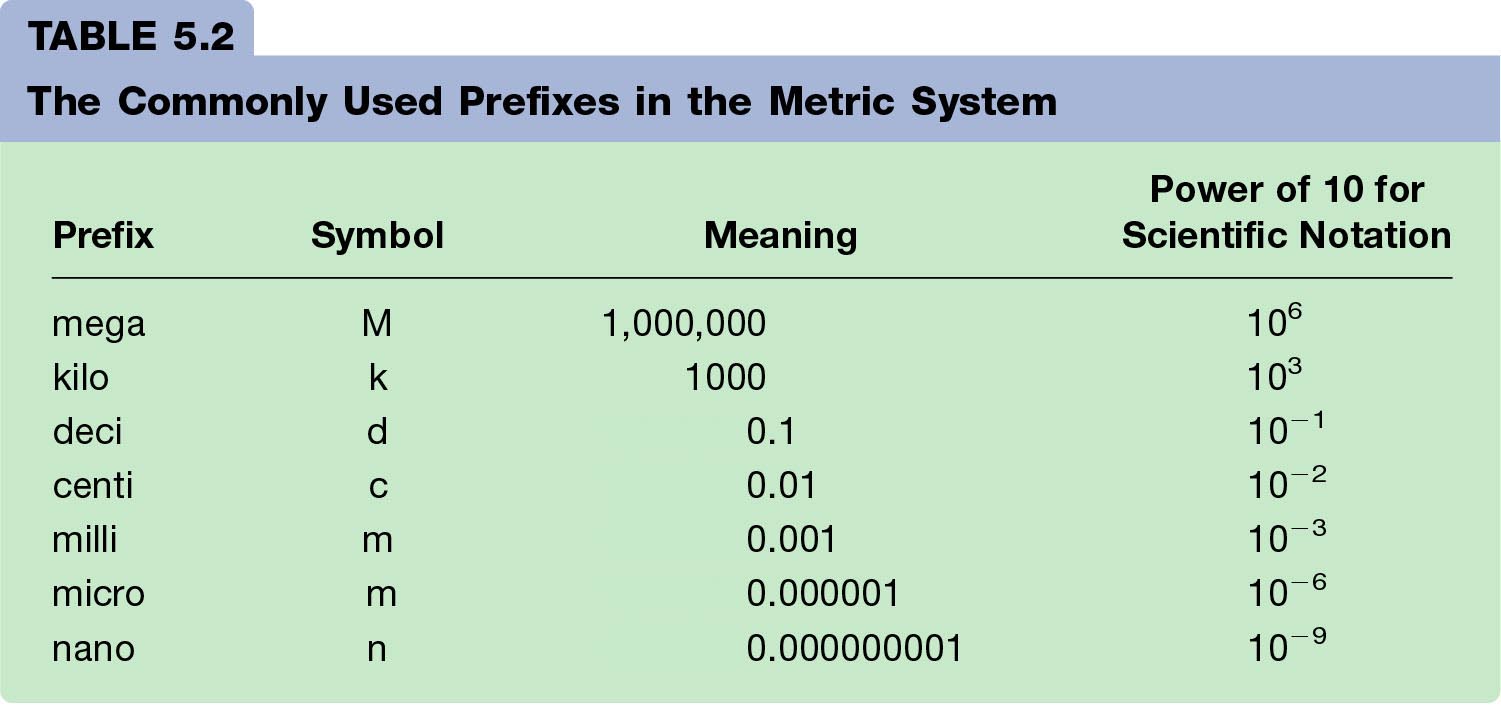
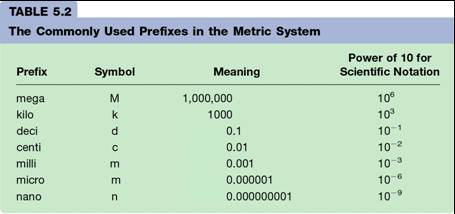
- and these are the prefixes we use to make them even more convenient
- “1 mm” is easier to use &
write than “one thousandth of a meter”
- know them, love them, marry them
|
|
11
|
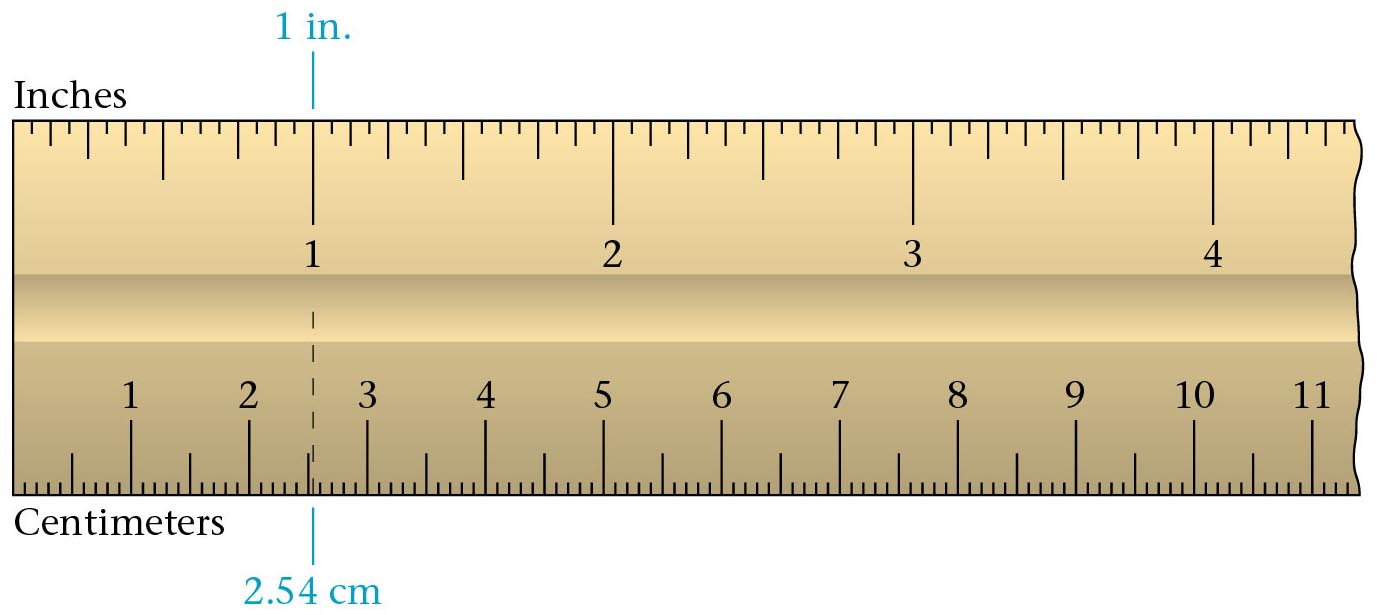
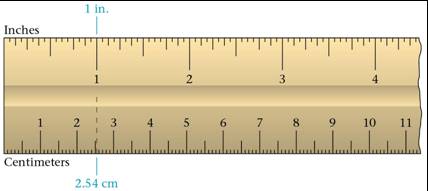
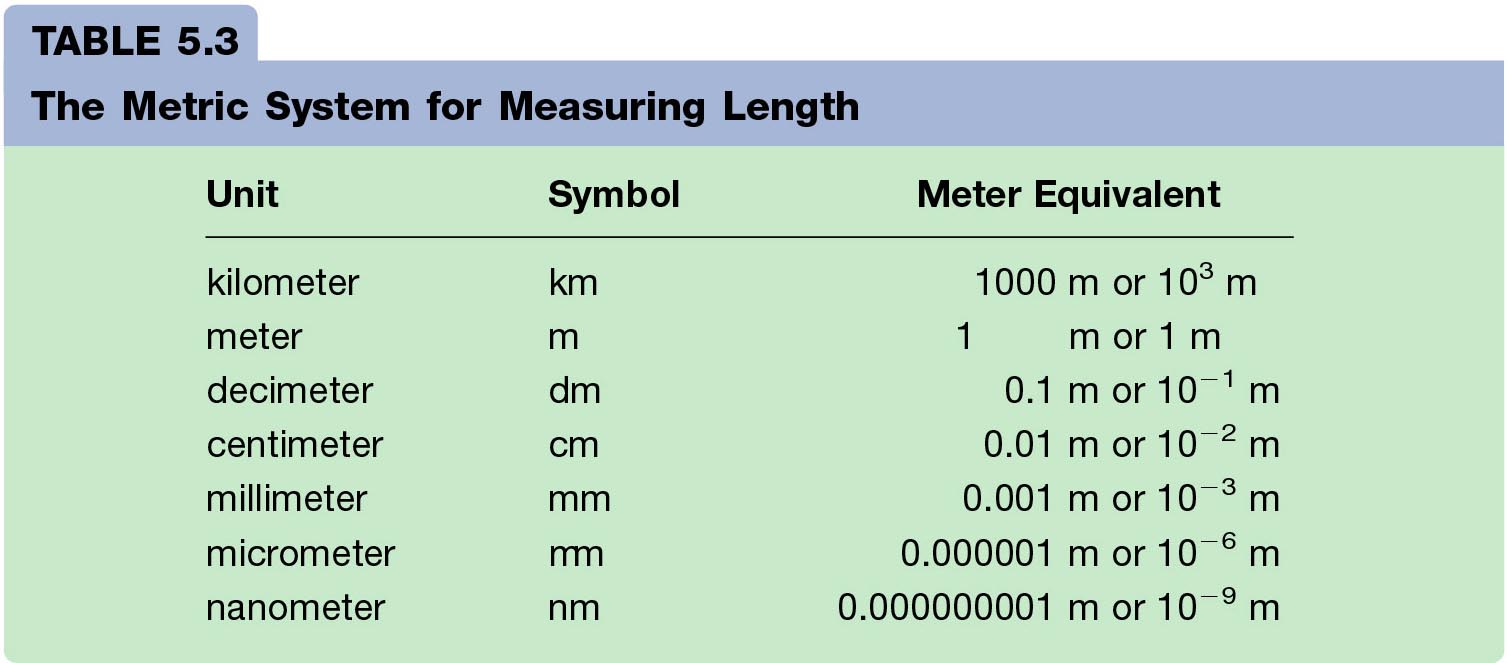
- length is based on the meter
|
|
12
|
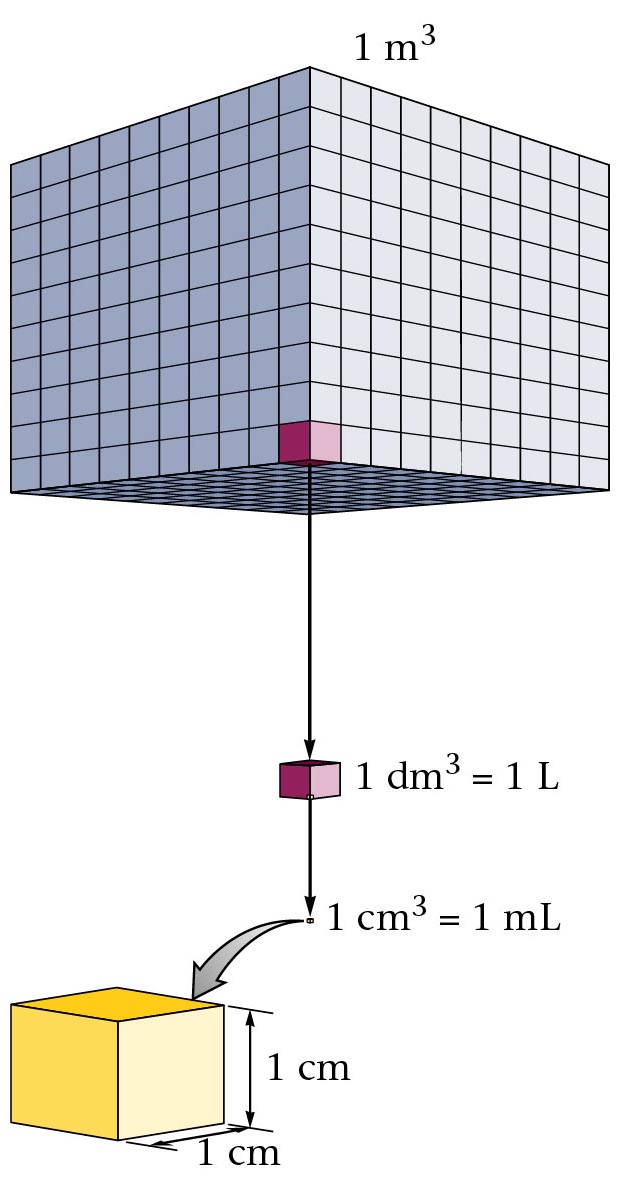
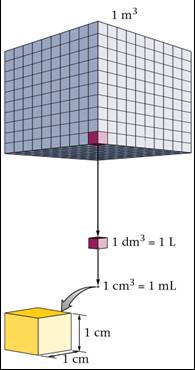
- volume is how much 3D space something takes up
- SI unit is the m3
- one thousandth of that is the dm3, aka the liter
- 0.001 of that is cm3 or ml
|
|
13
|
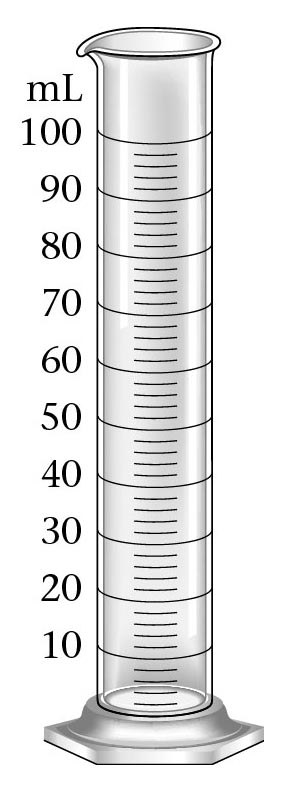
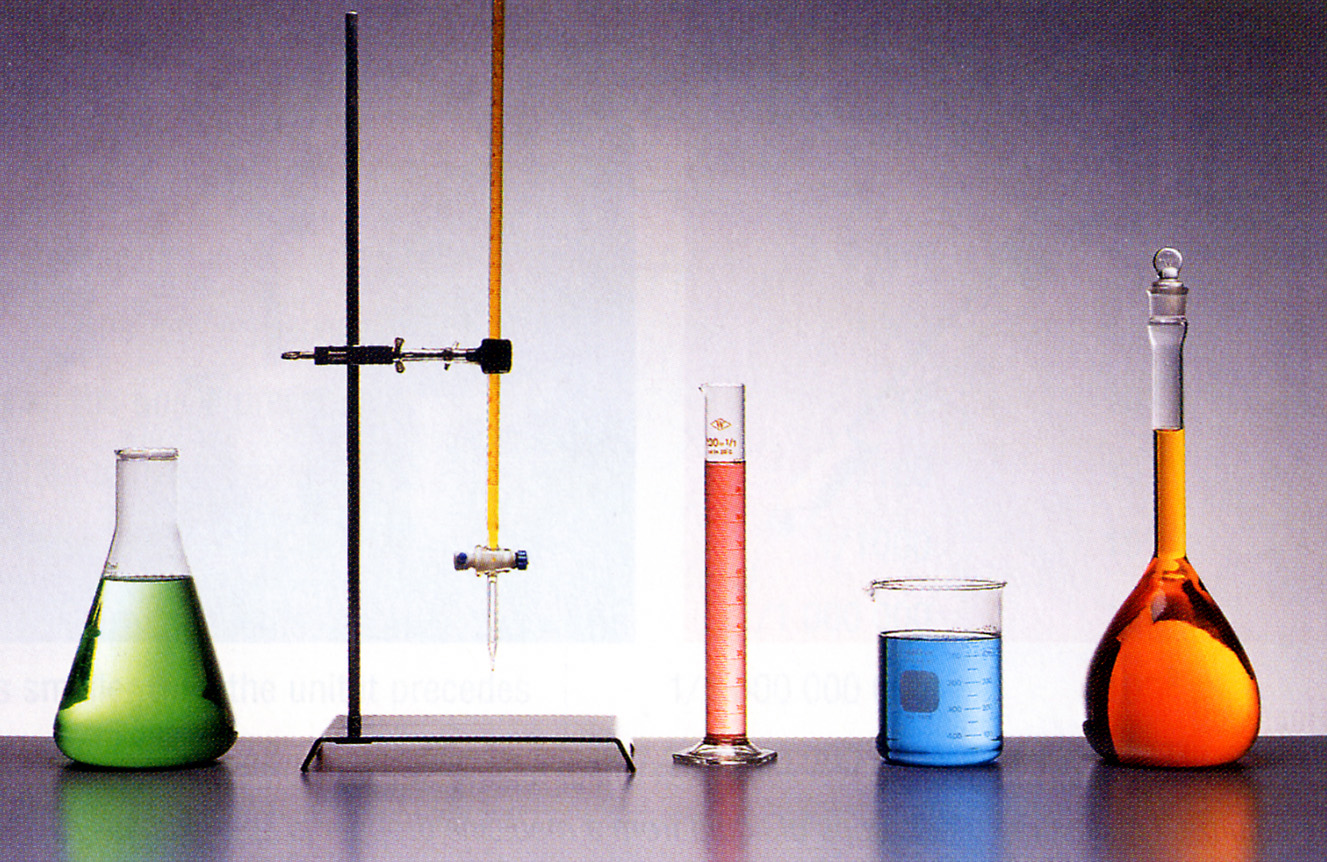
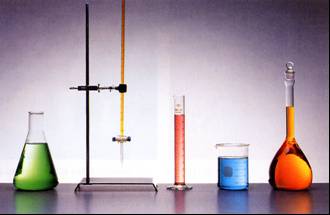
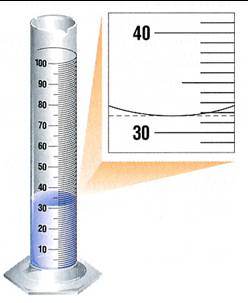
- we mostly measure volume with a
- graduated cylinder
- but also these critters, all of
- which are marked on the side
|
|
14
|
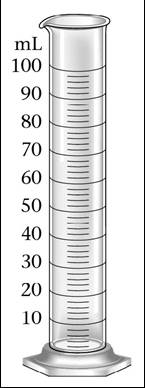
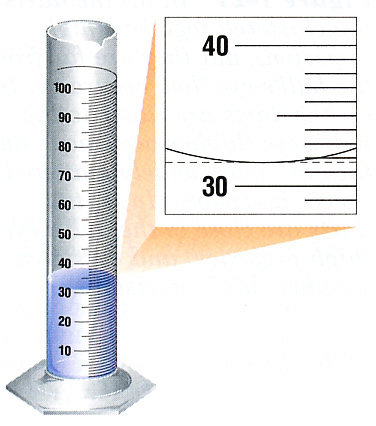
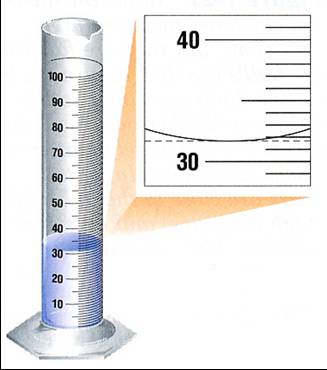
- Remember that when you use the Graduated cylinder to read the bottom of
the meniscus
|
|
15
|
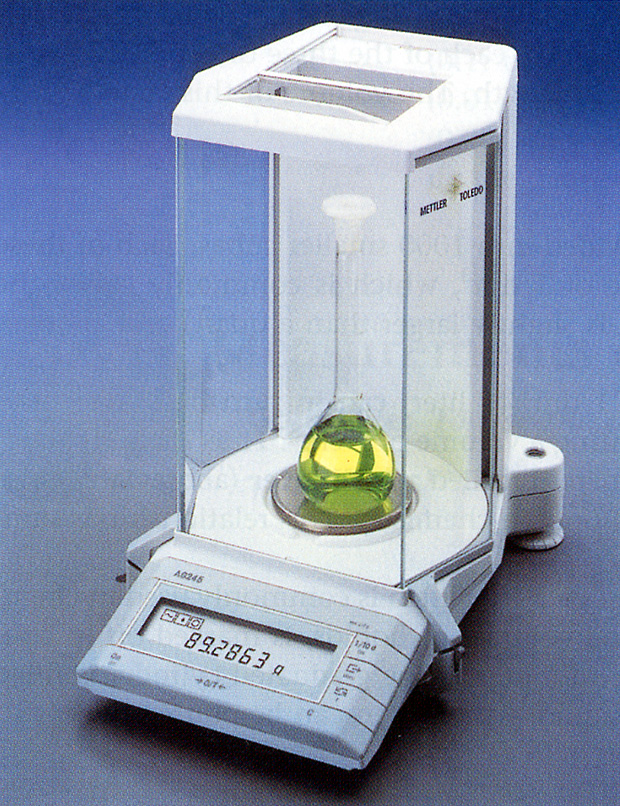
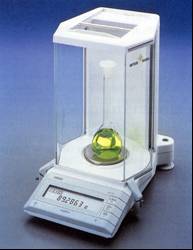
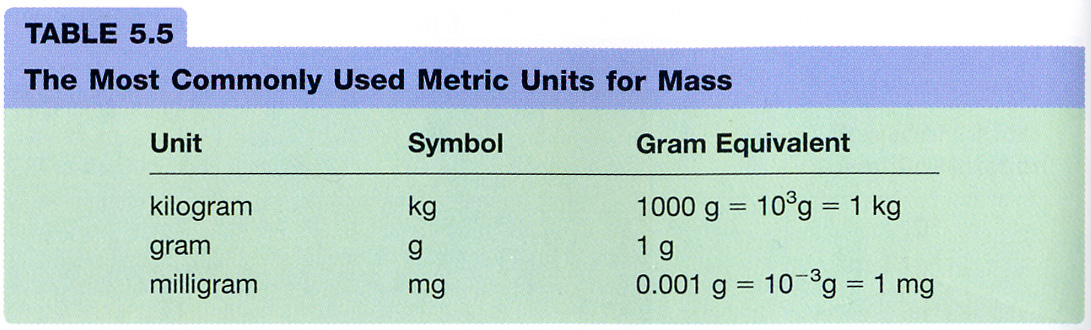
- mass is measured in grams (even though SI unit is kg)
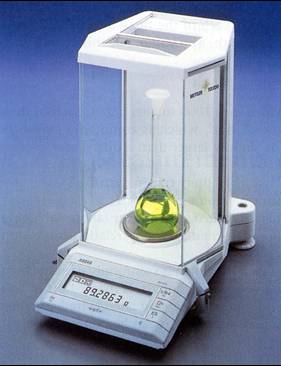
- measured with a balance
|
|
16
|
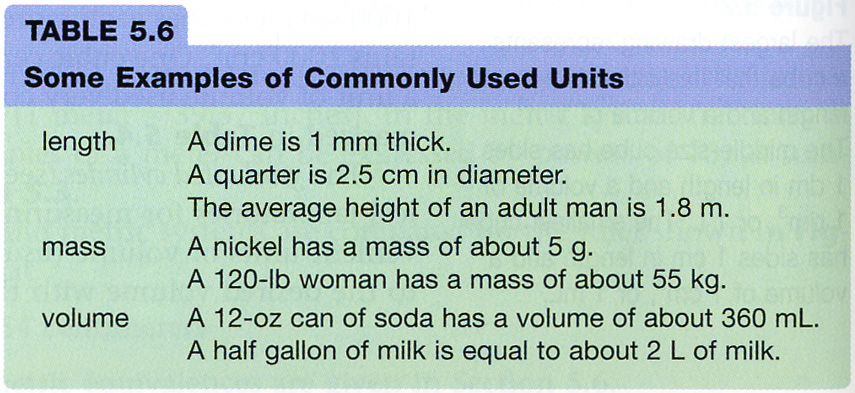
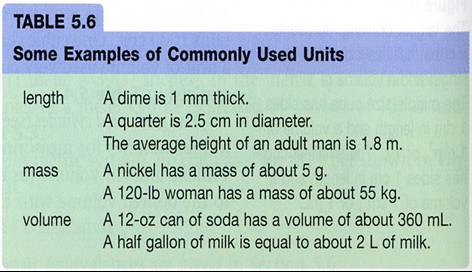
- this is a table to get you better acquainted with it all
|
|
17
|
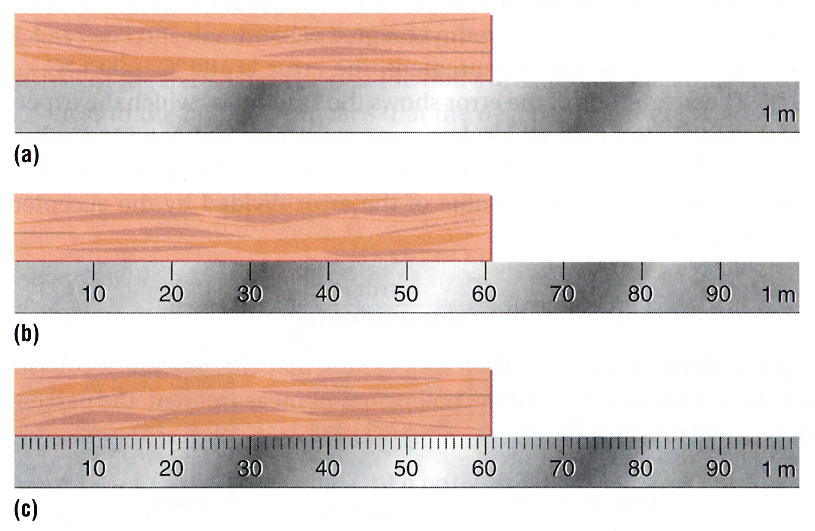
- many measurements are made of objects that make us estimate
- so, we’ll always argue about the last number or two
- the ones we agree on are called certain, the argued ones uncertain
|
|
18
|
- every measuring device has some degree of uncertainty
- the certain numbers + the one uncertain one are called significant…
|
|
19
|
- which instrument gives us more sigfigs?
- that’s the one you want to use (but it probably costs a lot more!)
|
|
20
|
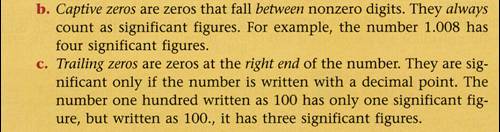
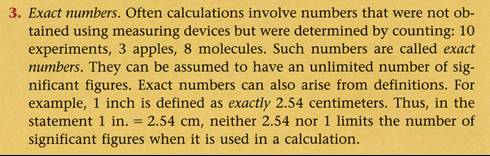
- the whole rest of your science/math life must reflect the measuring
devices you use. Therefore, you
need to know about significant figures (aka: sigfigs)
- so what about zero’s and what not?
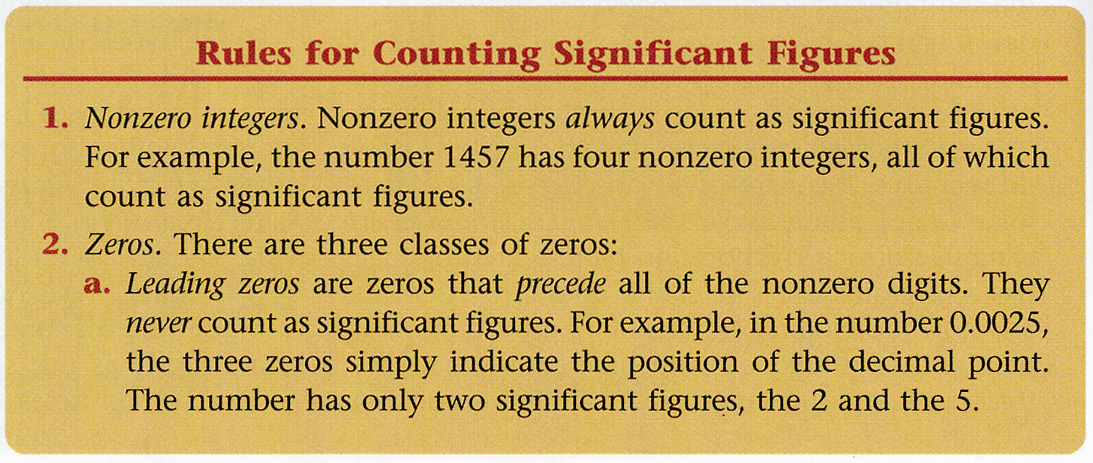
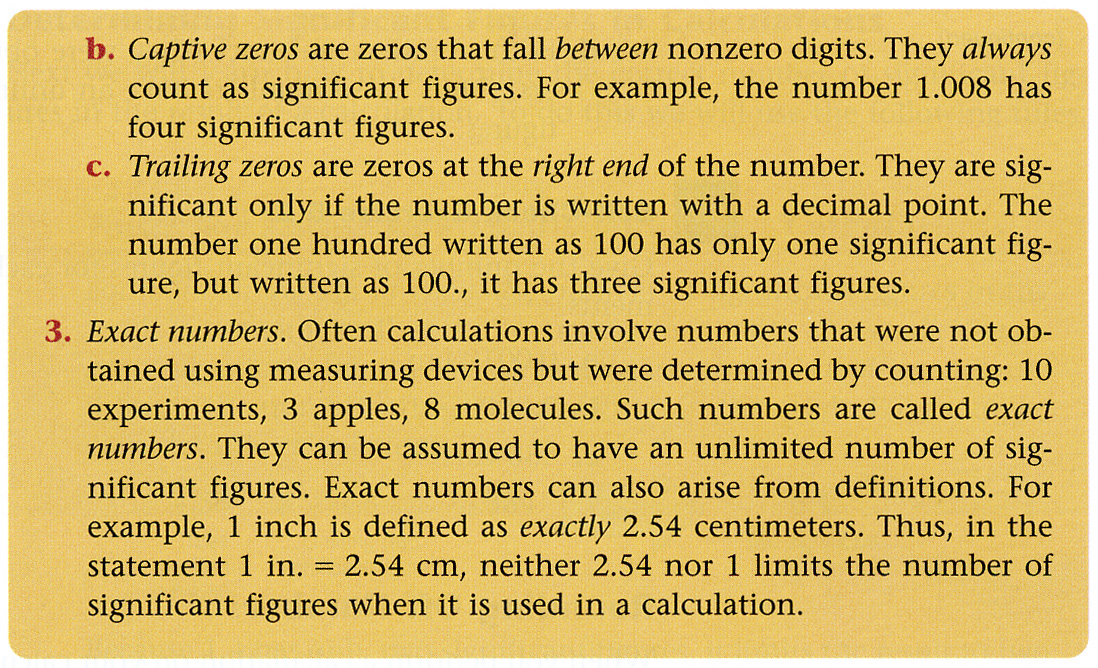
- there are rules! yippee! ready?
|
|
21
|
|
|
22
|
|
|
23
|
- the mass of an eyelash
is 0.000304 g
- 3
- the length of the skidmark was 1.270 x 10² m
- 4
- A 125-g sample of chocolate chip cookie contains 10 g of chocolate
- 3, 1
- the volume of soda remaining in a can after a spill is 0.09020 L
- 4
- a dose of antibiotic is 4.0 x 10⁻¹ cm3
- 2
|
|
24
|
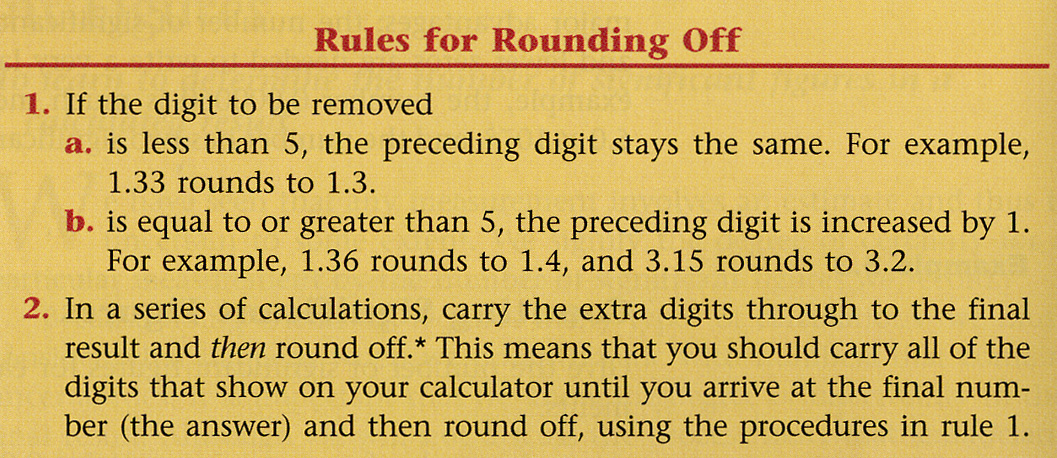
- yes, there are rules even for this
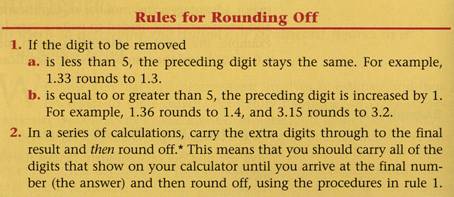
- remember to use only the first digit to the right of the last sigfig to
help you decide
|
|
25
|
- there are only two basic rules here, one to do with multiplication and
division, the other addition and subtraction…
|
|
26
|
- Multiplying and dividing
- answer will have as many sigfigs as the working number w/ the fewest
- examples
- 2.34 • 3.2 = 7.488?
- smallest number of s/d is 2 so 7.5
- 35.0 / 6.734 = 5.1975051975?
- smallest number of s/d is 3 so 5.20
|
|
27
|
- addition and subtraction…
- first add them up! don’t worry about sigfigs until the end!
- 3.75 + 4.1 = 7.85
- you can only go to where all numbers have something to contribute, so
can only go to 7.9
- 3.987 + 4.60 = 8.587
- but can only go to 0.01, so 8.59
|
|
28
|
- I have to buy 72 CostCo muffins, but they only sell them by the dozen.
Do I just give up? May it never be!
- I convert into dozens!
- but I have to know the relationship b/t individuals and dozens!
- called a conversion factor!
- here 1 dozen = 12
|
|
29
|
- unit1 x conversion factor = unit2
- we’ll…
1) make a
starting point,
2) determine
where we’re going,
then…
3) build a bridge
to it with the
conversion factor
|
|
30
|
- 1) write down what you know (given),
2) where you’re going, then
3) build a bridge (your book calls the bridge an equivalence
statement) between them…
- Change 100 mm into m.
|
|
31
|
|
|
32
|
|
|
33
|
- Change 45mm into km.
- (Hint: you might make this a 2-stepper.)
|
|
34
|
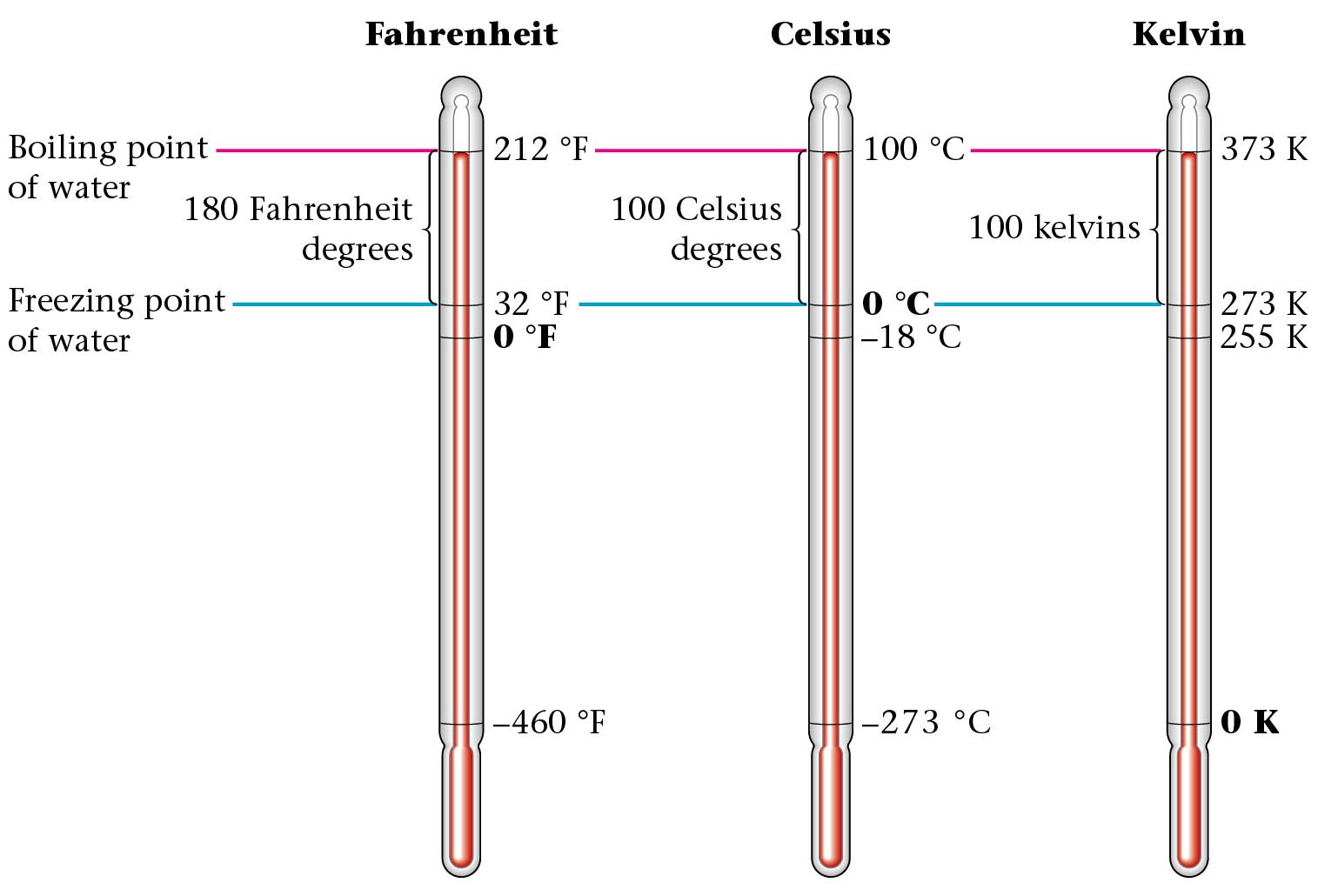
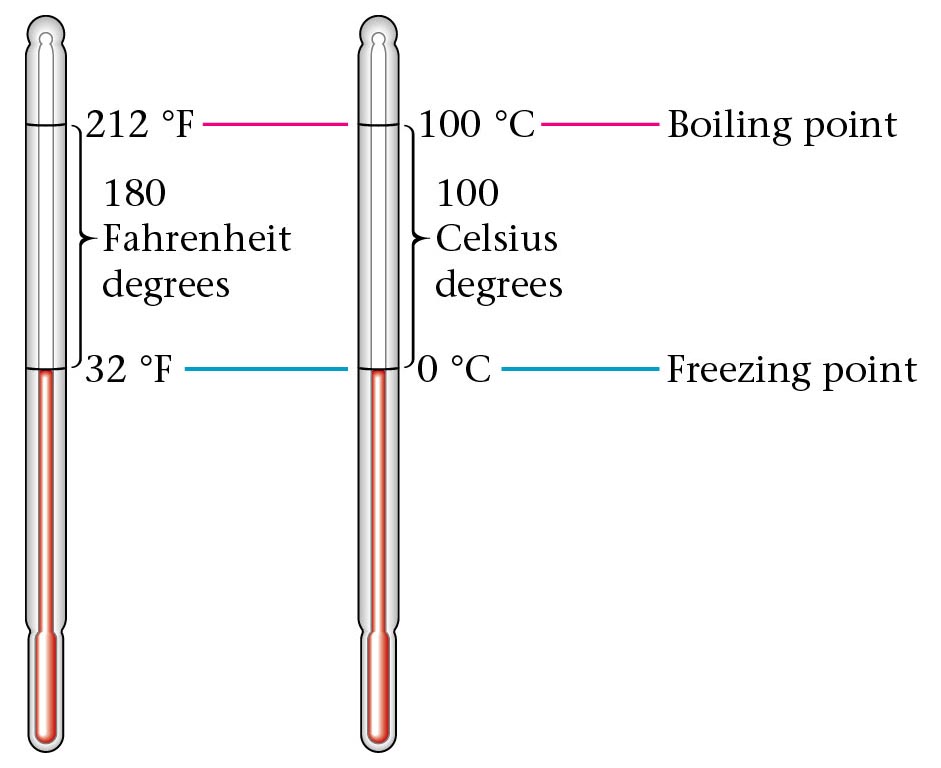
- here we learn both the different temp scales and how to convert between
them
|
|
35
|
- the Big Three Temp Scales are Fahrenheit, Celsius, and Kelvin
- in science we use almost exclusively C and K
|
|
36
|
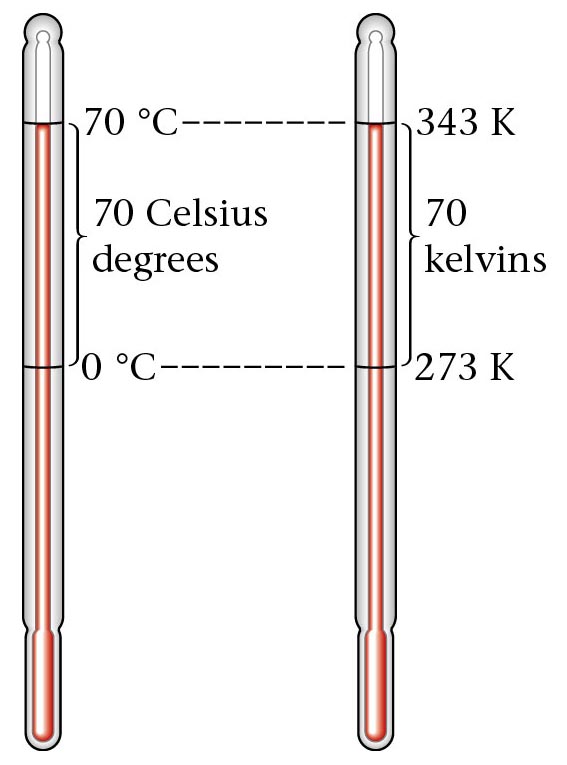
- a degree C and K are the same amount; they just differ by their starting
points
- they only differ by 273
- thus, and simply
- TC + 273 = TK
|
|
37
|
- What is 70˚C in kelvins?
- TC + 273 = TK
- 70 + 273 = 343 K
- Nitrogen boils at 77 K. What is that in C?
- TC + 273 = TK
- TC = TK - 273
- TC = 77 - 273
- TC = -196 ˚C
|
|
38
|
- here we have different size units and different starting points! yikes!
- short story:
TF = 1.80TC + 32
|
|
39
|
- It’s 28˚C outside. What is that in F?
- TF = 1.8TC + 32
- TF = 1.8(28) + 32
- TF = 50. + 32
- TF = 82 ˚F
- It’s -40˚C in that lab freezer. What’s that in F?
- TF = 1.8TC + 32
- TF = 1.8(-40) + 32
- TF = -72 + 32
- TF = -40˚F (!)
|
|
40
|
- You have a 101˚F fever. What is that in C?
- TF = 1.8TC + 32
- 101 = 1.8TC + 32
- 69 = 1.8TC
- 38 = TC
- Page 142 has a bunch of cutesy conversion equations
|
|
41
|
- density is just how much stuff is crammed into a certain space
- in science speak it’s mass/volume:
- D = m/V
- finding mass is no problem; how do you find volume?
|
|
42
|
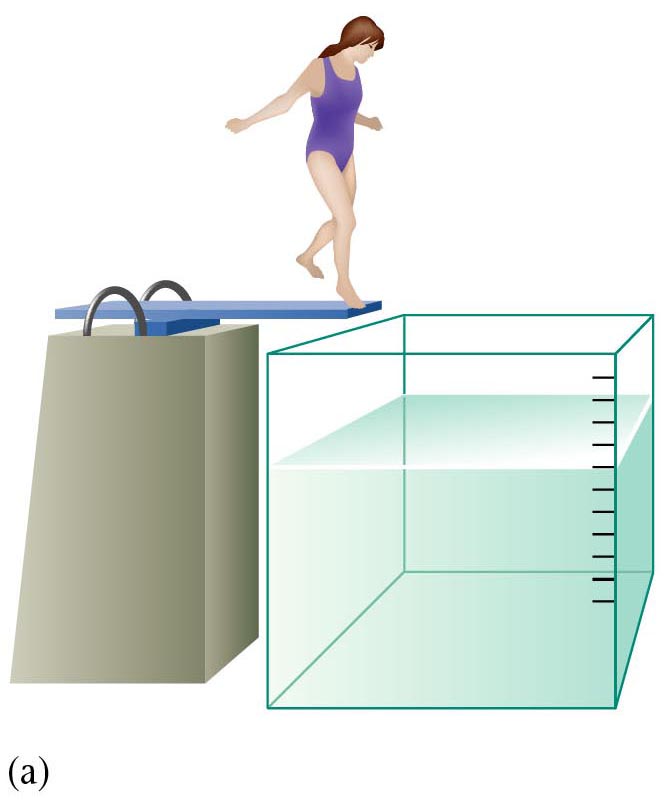
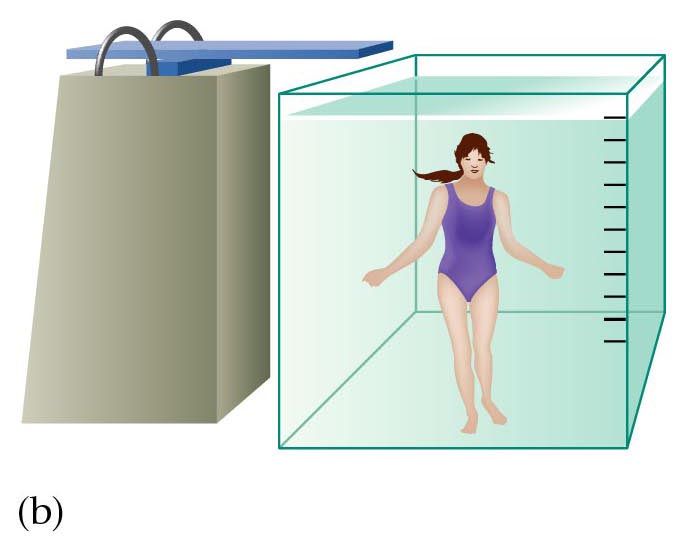
- one can either use dimensions (like lxwxh) or volume displacement for
irregular objects
- take volume before, volume after - tada!
the difference is the volume of your object
|
|
43
|
|
|
44
|
|
|
45
|
|

 Notes
Notes